
Living by the coast in Devon is pretty nice, isn’t it? Beautiful views, fresh air, all that good stuff. But it’s not always easy on our outdoor things, especially gates. That salty air and damp weather can really do a number on them. If you’ve got a gate, you know it’s a big part of your home – it keeps things secure and looks good too. So, keeping it in top shape is a smart move. This guide is all about helping you do just that, focusing on coastal gate maintenance Devon style.
Key Takeaways
- Keep your gate clean. Get rid of dirt and stuff that builds up. This helps stop rot or rust.
- Check your gate often. Look at hinges, locks, and the frame at least twice a year. Once before winter, and again after it.
- Treat your gate to protect it. For wood, put on new stains or varnish to keep out water and stop pests. For metal, check for rust early. Fix any scratches or paint chips to stop more rust.
- Make sure moving parts are greased. Keep hinges and locks well-oiled so they don’t squeak or get stuck.
- Cut back plants around your gate. If you have trees or bushes nearby, trim them. This stops branches from hitting the gate or debris falling on it.
Understanding Coastal Gate Maintenance Devon
The Impact of Devon’s Coastal Climate
Living by the sea is great, but it’s tough on everything, especially your gates. The salty air, strong winds, and damp conditions can really take their toll. It’s not just about the pretty view; it’s about how quickly the weather can degrade materials. Think rust on metal, rot in wood, and general wear and tear happening way faster than inland. This means you need to be extra vigilant with your gate maintenance.
Why Regular Upkeep is Crucial
Skipping maintenance? You’re basically asking for trouble. Regular upkeep isn’t just about keeping your gate looking nice; it’s about preventing bigger, more expensive problems down the line. Think of it like this: a little bit of effort now can save you a whole lot of money and hassle later. Plus, a well-maintained gate adds to your property’s value and kerb appeal. It’s a win-win.
Protecting Your Investment
Your gate is an investment, and like any investment, it needs protecting. This means taking proactive steps to shield it from the elements. Whether it’s applying protective coatings, fixing small issues before they become big ones, or simply keeping it clean, these actions will extend the life of your gate and ensure it continues to function properly. Think of it as coastal gate care UK.
Living near the Devon coast means your gate faces unique challenges. Salty air, strong winds, and frequent rain can accelerate wear and tear. Regular maintenance is key to preventing costly repairs and ensuring your gate lasts for years to come. Addressing issues early can save you time, money, and stress in the long run.
Essential Cleaning Regimes for Gates
Keeping your gate clean isn’t just about appearances; it’s a key part of making sure it lasts. Devon’s coastal air can be tough on gates, so a good cleaning routine is essential. Let’s break down how to keep your gate in top shape.
Removing Dirt and Debris
First things first, get rid of any loose dirt, leaves, or cobwebs. A simple brush or hose down can do the trick. For tougher grime, use a soft brush and some soapy water. Pay special attention to hinges and any areas where debris tends to collect. This prevents buildup that can lead to problems down the line. Think of it like giving your gate a regular spa day – it’ll thank you for it!
Preventing Buildup and Corrosion
Once you’ve cleaned the gate, think about preventing future buildup. For metal gates, consider applying a protective wax coating. For wooden gates, a fresh coat of stain or varnish can work wonders. Regular cleaning also helps you spot potential issues early, like small rust spots or areas where the finish is wearing thin. Addressing these problems early can save you a lot of hassle and money in the long run. If you’re considering aluminium gates, remember they also benefit from regular cleaning to maintain their appearance.
Gentle Cleaning for Longevity
When cleaning your gate, always use gentle products. Harsh chemicals can damage the finish and actually speed up corrosion. A mild detergent and warm water are usually all you need. Avoid using abrasive scrubbers or pressure washers, as these can scratch or damage the surface. Remember, the goal is to clean the gate, not strip it bare. A little bit of care goes a long way in extending the life of your gate.
Regular cleaning is more than just a chore; it’s an investment in the longevity of your gate. By taking the time to clean your gate properly, you’re protecting it from the harsh coastal elements and ensuring it continues to function smoothly for years to come.
Here’s a simple cleaning schedule to follow:
- Weekly: Remove loose debris with a brush.
- Monthly: Wash the gate with mild detergent and water.
- Twice a year: Apply protective coatings (wax, stain, or varnish).
Seasonal Inspections for Optimal Performance
Pre-Winter Checks for Durability
Right, so before winter really hits Devon, it’s worth giving your gate a good once-over. Think of it as prepping for a storm. Check for any signs of damage that the summer might have caused – cracks in the wood, rust spots on metal, that sort of thing. It’s easier to fix small problems now than deal with a gate that’s half-falling apart in January. Make sure the gate can still open and close properly, and that the latch is working.
Post-Winter Assessments for Damage
Once winter’s done its worst, get out there and have another look. Winter weather can be brutal, especially by the coast. Salt spray, strong winds, and freezing temperatures can all take their toll. Look for:
- New cracks or splits in wooden gates.
- Increased rust or corrosion on metal gates.
- Damage to hinges, latches, and other moving parts.
- Any signs of warping or distortion.
It’s easy to forget about your gate during the colder months, but a quick check in spring can save you a lot of hassle later on. Addressing any winter damage promptly will help prevent it from getting worse over time.
Routine Examination of Components
Beyond the seasonal checks, try to get into the habit of giving your gate a quick look every few weeks. It doesn’t need to be a full inspection, just a quick scan to spot anything obvious. Pay attention to:
- Hinges: Are they still secure and moving freely?
- Latches: Are they engaging properly?
- Posts: Are they still firmly in the ground?
- Any signs of wear and tear: Catching these early can prevent bigger issues down the line.
Protective Treatments for Wooden Gates
Reapplying Stains and Varnishes
Wooden gates, especially in Devon’s coastal climate, need regular treatment to keep them in good nick. Reapplying stains and varnishes is a key part of this. It’s not just about making them look nice; it’s about protecting the wood from the elements. Think of it like sunscreen for your gate. I usually try to do this every year, especially before winter hits. It’s a bit of a pain, but it really does make a difference. I’ve found that a good quality stain not only protects against moisture but also helps to prevent the wood from fading in the sun.
Safeguarding Against Moisture
Moisture is the enemy of wooden gates, especially with all the rain we get. Water can seep into the wood, causing it to rot and warp. I’ve seen it happen to a neighbour’s gate, and it wasn’t pretty. Besides staining and varnishing, there are other things you can do to keep moisture at bay. For example, make sure the gate is properly sealed, especially around any joints or edges. You can also use a water repellent treatment to give it an extra layer of protection. I tend to go overboard with this, but I’d rather be safe than sorry.
Pest Prevention for Timber
It’s not just the weather you need to worry about; pests can also cause havoc on wooden gates. Woodworm and other insects can burrow into the timber, weakening it from the inside out. I had a bit of a scare with this last year when I noticed some small holes in my gate. Luckily, I caught it early and was able to treat it with a wood preservative. Now, I make sure to inspect my gate regularly for any signs of infestation.
I’ve learned that prevention is better than cure when it comes to wooden gates. Taking the time to apply protective treatments and keep an eye out for problems can save you a lot of hassle and money in the long run. It’s all about being proactive and giving your gate the care it needs to withstand the coastal climate.
Corrosion Control for Metal Gates

Early Detection of Rust
Spotting rust early is key to preventing bigger problems down the line. Keep an eye out for small patches of orange or brown on the gate’s surface. It’s much easier to deal with a bit of surface rust than a gate that’s corroded all the way through. Check areas that are prone to trapping moisture, like joints and around hinges. I usually give my gate a once-over every couple of weeks, just to be safe.
Touching Up Scratched Paintwork
Scratches are like open wounds for metal. If the paint gets chipped or scratched, the metal underneath is exposed to the elements, and that’s when rust starts. I had a small scratch on my gate last year, and I ignored it for a while. Big mistake! It quickly turned into a rusty patch. Now, I keep a small tin of matching paint handy and touch up any scratches as soon as I see them. It’s a quick job that can save you a lot of hassle in the long run.
Maintaining Powder Coatings
Powder coating is a great way to protect metal gates, but it’s not indestructible. Over time, the coating can get damaged by the sun, salt, and general wear and tear.
Here’s what I do to keep my powder-coated gate in good shape:
- Wash it regularly with mild soap and water.
- Avoid using harsh chemicals or abrasive cleaners.
- Inspect the coating for any chips or cracks.
- If you find any damage, get it repaired as soon as possible.
Living near the coast means my gate gets a constant battering from salty air. I’ve found that applying a protective wax coating every few months helps to keep the powder coating in good condition and prevents rust from forming. It’s a bit of extra work, but it’s worth it for the peace of mind.
Lubricating Moving Parts for Smooth Operation
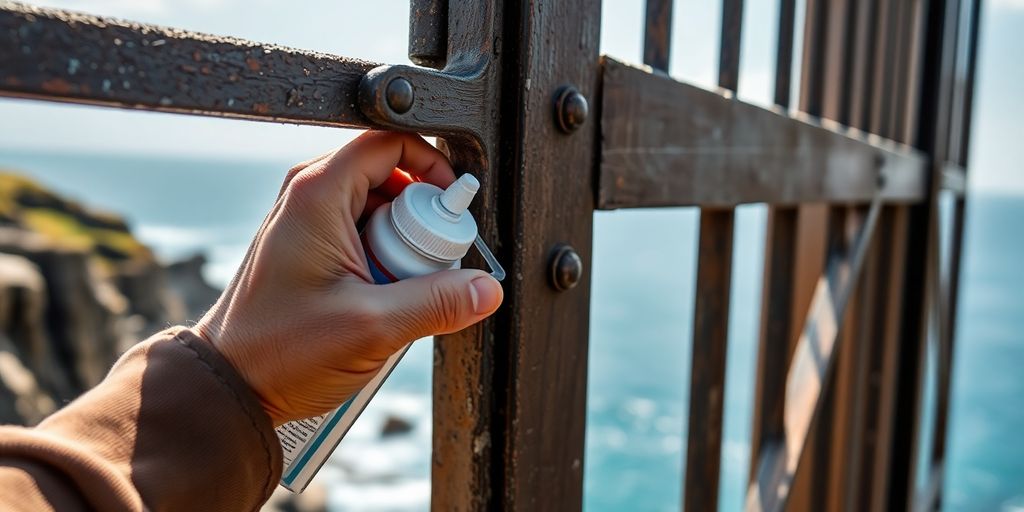
It’s easy to overlook the importance of keeping your gate’s moving parts well-oiled, but it’s a simple task that can make a huge difference to its lifespan and ease of use. Think of it like this: a little bit of lubricant now can save you a lot of hassle (and money) later on. Regular lubrication prevents friction, reduces wear and tear, and ensures your gate operates smoothly, quietly, and reliably.
Addressing Squeaking Hinges
Is there anything more annoying than a gate that squeaks every time it’s opened or closed? That grating sound is a clear sign that the hinges need some attention. The good news is that it’s usually a quick fix. A few squirts of the right lubricant can silence those squeaks and restore peace and quiet. Don’t just reach for any old oil, though. A penetrating lubricant is best, as it can work its way into the tight spaces within the hinge. Apply liberally, work the gate back and forth, and wipe away any excess. If the squeak persists, you might need to remove the hinge and give it a more thorough clean before re-lubricating. For vertical gates, this is especially important due to their unique stress points.
Preventing Locking Mechanism Jams
A jammed locking mechanism is more than just an inconvenience; it can be a security risk. If you’re struggling to lock or unlock your gate, it’s time to take action. Start by cleaning the mechanism with a wire brush to remove any dirt or debris. Then, apply a dry lubricant, such as graphite powder or a PTFE spray. These lubricants won’t attract dust and grime like oil-based products, which can actually make the problem worse in the long run. Work the key in and out of the lock several times to distribute the lubricant evenly. If the jam persists, consider disassembling the mechanism for a more thorough clean and lubrication. If you’re not comfortable doing this yourself, it’s best to call in a professional.
Choosing the Right Lubricants
Not all lubricants are created equal. Using the wrong product can do more harm than good. For hinges and other moving parts, a penetrating oil or a lithium-based grease is a good choice. These lubricants are designed to reduce friction and protect against corrosion. For locking mechanisms, a dry lubricant like graphite powder or a PTFE spray is preferable, as it won’t attract dust and grime. Avoid using WD-40 as a long-term solution, as it can dry out and leave a sticky residue. Always read the manufacturer’s instructions before applying any lubricant, and be sure to wipe away any excess to prevent it from attracting dirt. Regular maintenance with the correct products will keep your gate functioning perfectly.
It’s worth keeping a small toolkit with the right lubricants and cleaning supplies near your gate. That way, you can quickly address any issues as they arise, before they turn into bigger problems. A little bit of preventative maintenance can save you a lot of time, money, and hassle in the long run.
Managing Surrounding Vegetation
It’s easy to overlook the impact of plants around your gate, but unchecked growth can cause serious problems. From scratches to complete obstruction, vegetation needs managing to keep your gate in top condition.
Pruning Overhanging Branches
Overhanging branches are a common issue, especially after storms. They can scratch paintwork, damage wooden gates, and even obstruct the gate’s movement. Regular pruning prevents this, ensuring the gate swings freely and avoids unnecessary wear and tear. It’s also worth checking for any dead or weak branches that could fall and cause damage.
Clearing Debris Around Gates
Fallen leaves, twigs, and other debris can accumulate around the base of your gate, trapping moisture and encouraging corrosion or rot. Regularly clearing this debris is a simple but effective way to protect your gate. Make sure to clear the area around the gate posts too, as this is where moisture can easily build up.
Preventing Physical Damage
Vegetation doesn’t just cause gradual wear and tear; it can also lead to sudden damage. Strong winds can cause branches to whip against the gate, and invasive roots can undermine the gate posts.
Consider creating a buffer zone around your gate by removing any plants that are likely to cause problems. This might involve cutting back shrubs, removing climbing plants, or even relocating trees that are too close. This proactive approach can save you a lot of hassle and expense in the long run. Also, if you are installing electric gates in a rural area, make sure to consider the placement of the control box and wiring to avoid root damage.
Professional Servicing for Automated Gates
Automated gates are a fantastic convenience, but they’re also complex pieces of machinery. Like any machine, they need regular attention to keep working properly, especially in a coastal environment like Devon. Ignoring this can lead to bigger, more expensive problems down the line.
Scheduled Check-ups for Automation
Think of it like your car – you wouldn’t skip its annual service, would you? Automated gates need the same level of care. Regular check-ups can spot potential issues before they become major headaches. This might include checking the motor, control panel, and safety sensors. It’s about preventative maintenance, ensuring everything is running as it should.
Ensuring Smooth Mechanical Operation
It’s not just about the electrics; the mechanical side of things needs looking after too. Hinges, arms, and other moving parts need to be in good condition to avoid strain on the motor. A professional service will include lubrication and adjustments to keep everything moving smoothly.
Expert Maintenance for Complex Systems
Automated gates aren’t simple DIY projects. They involve electrics, mechanics, and safety features, all working together. A qualified engineer has the knowledge and tools to diagnose and fix problems safely and effectively. Trying to fix it yourself could end up causing more damage, or even be dangerous. Consider gate safety as a priority.
It’s easy to overlook the importance of professional servicing, especially if your gate seems to be working fine. However, regular maintenance is an investment that will save you money and hassle in the long run. It’s about keeping your gate reliable and safe for years to come.
Here’s a simple schedule to consider:
- Monthly: Visual inspection for obvious damage or wear.
- Every 6 Months: Lubricate moving parts.
- Annually: Professional service and safety check.
Addressing Rust on Metal Gates
Cleaning with Mild Detergents
When you spot rust on your metal gate, don’t panic! Often, a simple solution is the best place to start. Begin by mixing a mild detergent with warm water. Use a soft brush or cloth to gently scrub the affected areas. Avoid abrasive cleaners as these can scratch the surface and make the problem worse in the long run. Rinse thoroughly with clean water after scrubbing. This method is great for removing surface rust and preparing the area for further treatment.
Hosing Down Dirt Buildup
Regularly hosing down your metal gate can prevent rust from even starting. Devon’s coastal air carries a lot of salt, which accelerates corrosion. Hosing removes this salt buildup, along with dirt and grime, before it has a chance to cause problems. Pay special attention to hinges, latches, and any areas where water tends to collect. A simple rinse every few weeks can make a big difference.
Applying Protective Wax Coatings
After cleaning and drying your metal gate, consider applying a protective wax coating. This creates a barrier against moisture and salt, helping to prevent future rust. Car wax works well, but there are also specialist metal waxes available. Apply a thin, even layer with a soft cloth, and buff to a shine. Reapply every few months, or as needed, to maintain the protection. This is a simple step that can significantly extend the life of your metal gate.
Living by the coast means dealing with salty air, which can really do a number on metal. I’ve found that regularly cleaning my gate and applying a wax coating makes a huge difference. It’s a bit of effort, but it’s worth it to keep the rust at bay.
Here’s a quick guide to rust prevention:
- Clean regularly with mild detergent.
- Hose down to remove salt buildup.
- Apply protective wax coatings.
Enhancing Gate Lifespan in Coastal Devon
Material-Specific Care
Different gate materials react differently to the coastal environment. For instance, wooden gates need regular treatment to prevent rot and decay, while metal gates require protection against rust. Understanding the specific needs of your gate’s material is the first step in extending its lifespan. It’s not just about slapping on any old product; it’s about using the right stuff for the job. For example, domestic gates need different care than commercial ones.
Preventative Measures for Longevity
Taking proactive steps can significantly increase the lifespan of your gate. This includes:
- Regular cleaning to remove salt and debris.
- Applying protective coatings to prevent corrosion.
- Promptly repairing any damage, no matter how small.
- Ensuring proper drainage to avoid water accumulation.
Ignoring minor issues can lead to bigger, more expensive problems down the line. A little bit of maintenance now can save you a lot of hassle later.
Adapting to Salty Air Conditions
The salty air in Devon’s coastal regions is particularly harsh on gates. Salt accelerates corrosion and can damage wood over time. To combat this, consider these strategies:
- Choose materials that are naturally resistant to salt, such as certain types of treated wood or marine-grade metals.
- Apply protective barriers, like waxes, to metal surfaces.
- Routinely wash down your gate with fresh water to remove salt deposits.
By adapting your maintenance routine to address the specific challenges of the coastal environment, you can ensure that your gate remains in good condition for years to come.
Choosing Durable Gates for Devon’s Coast
Devon’s coastal climate can be brutal on gates. The salty air, strong winds, and frequent rain all contribute to wear and tear. Choosing the right gate material and design is essential for longevity. Let’s explore some options to ensure your gate stands the test of time.
Selecting Weather-Resistant Materials
When it comes to weatherproof gates Devon, material choice is paramount. Here’s a quick rundown:
- Treated Timber: Look for timber that’s been pressure-treated to resist rot and insect damage. Regular maintenance is still needed, but it’ll significantly extend the gate’s life.
- Galvanised Steel: Galvanising provides a protective zinc coating that prevents rust. Powder coating adds an extra layer of defence and aesthetic appeal.
- Aluminium: A lightweight and naturally corrosion-resistant option. Aluminium gates are a good choice for automated systems due to their lighter weight.
Considering Coastal-Specific Designs
The design of your gate can also impact its durability. Solid gates offer more privacy but can act like sails in strong winds, potentially damaging hinges and posts. Consider these design elements:
- Open Designs: Gates with gaps or slats allow wind to pass through, reducing stress on the structure.
- Reinforced Frames: A sturdy frame is crucial for withstanding coastal conditions. Ensure the frame is properly braced and joined.
- Heavy-Duty Hinges: Invest in high-quality hinges that can handle the weight of the gate and the force of the wind.
Investing in Quality for Durability
While it might be tempting to save money upfront, investing in a quality gate will pay off in the long run. Cheaper materials and construction methods are more likely to fail under the harsh conditions of the Devon coast. Consider these points:
- Professional Installation: Proper installation is just as important as the gate itself. A poorly installed gate is more susceptible to damage.
- Regular Maintenance: No matter how durable your gate is, regular maintenance is essential. This includes cleaning, lubricating moving parts, and reapplying protective coatings.
- Warranty: Check the warranty offered by the manufacturer or installer. A longer warranty indicates confidence in the product’s quality.
Choosing a durable gate for Devon’s coast is about more than just aesthetics. It’s about protecting your property and ensuring your gate lasts for years to come. By selecting the right materials, considering coastal-specific designs, and investing in quality, you can enjoy a beautiful and functional gate that can withstand the elements.
Picking the right gate for your home along the Devon coast is super important. The salty air and strong winds can be tough on things, so you need a gate that will last. We have lots of strong gates that look great and stand up to the weather. Want to see how we can help keep your home safe and looking good? Check out our range of gates today!
Wrapping Things Up
So, there you have it. Keeping your gate in good nick, especially down here in Devon with all that coastal weather, isn’t really rocket science. It’s more about just doing a few little things regularly. Think of it like looking after your car; a bit of cleaning, checking things over, and sorting out any small issues before they get big. If you do that, your gate will keep looking good and working properly for ages. It’s not just about keeping things tidy either; a well-looked-after gate means your place stays secure and looks nice too. Honestly, a little bit of effort goes a long way, and you’ll be glad you bothered when your gate is still swinging smoothly years from now.
Frequently Asked Questions
Why is looking after gates in Devon’s coastal areas different?
Living by the sea means your gate gets hit with salty air, strong winds, and lots of rain. This can make wood rot faster and metal rust easily. So, gates in Devon’s coastal areas need extra care to stay in good shape.
What’s the best way to keep my gate in good condition?
You should clean your gate often, check it for problems at least twice a year (especially before and after winter), put on new protective coatings, and keep moving parts oiled. If you have an electric gate, get it checked by a pro regularly.
How do I protect my gate from the weather?
For wooden gates, put on new stains or varnishes to stop water damage and keep bugs away. For metal gates, look for rust early and fix any chipped paint to stop it from spreading.
How can I stop my metal gate from rusting?
Rust happens when metal gets wet and is exposed to air. To slow it down, clean your metal gate with mild soap and water, spray off dirt with a hose, and put on a wax coating to protect it.
What should I do if my gate starts to squeak or get stuck?
Make sure hinges and locks are always greased up. This stops them from making noise or getting stuck, which helps your gate open and close smoothly.
Does plants growing near my gate matter?
Yes, if you have trees or bushes near your gate, trim them back. This stops branches from hitting the gate and keeps leaves and dirt from building up around it.
Should I get a professional to look at my electric gate?
For electric gates, it’s really important to have a professional check them regularly. They can make sure all the moving parts and electric bits are working correctly and safely.
What kind of gate should I choose for a coastal home in Devon?
Pick materials that can handle the tough coastal weather, like certain types of wood or treated metals. Also, think about designs that are made to last longer in salty air. Buying a good quality gate from the start is a smart move.