Category: Uncategorized

  • Why Choose a Local Gate Specialist in the South West?

    Why Choose a Local Gate Specialist in the South West?

    Thinking about getting a new gate for your home in the South West? It’s a big decision, right? You want something that looks good, lasts ages, and actually does the job. That’s why picking a local South West gate specialist is often your best bet. They know the area, they get what local homes need, and they’re right there if you need them. Forget those big, faceless companies; a local expert can give you that personal touch and really make sure you’re happy with your new gate.

    Key Takeaways

    • Local South West gate specialists really know the area, which means they can give you gates that fit right in with local styles and weather.
    • They’re all about making gates by hand, using good, strong materials, so your gate will look nice and last a long time.
    • You can get a gate made just for you, whether it’s for your garden or your driveway, making sure it matches your home perfectly.
    • These local pros handle everything from putting the gate in to fixing it later, so you don’t have to worry about a thing.
    • Choosing a local South West gate specialist means you’re picking someone who cares about making you happy and is easy to get hold of when you need them.

    Unrivalled Local Expertise in the South West

    When you’re thinking about new gates, going local really does make a difference. We aren’t just another national company; we’re part of the South West community. We understand the specific needs and challenges that come with properties in this area.

    Deep Understanding of Regional Needs

    We’ve spent years working across the South West, from Somerset to Devon and Cornwall. This means we know the local architecture, common weather conditions, and even the soil types that can affect gate installation South West. This local knowledge allows us to provide advice and solutions that are perfectly suited to your property and its surroundings.

    Tailored Solutions for South West Properties

    Every property is different, and a one-size-fits-all approach simply doesn’t work. We take the time to assess your specific needs and preferences, considering everything from the style of your home to the level of security you require. Our goal is to provide a gate solution that not only looks great but also functions perfectly for your lifestyle.

    Familiarity with Local Conditions

    The South West has its own unique climate, with strong winds, salty air near the coast, and heavy rainfall in certain areas. These conditions can take a toll on gates, so it’s important to choose materials and construction methods that can withstand the elements. We know what works best in this region and can recommend options that will last for years to come.

    Choosing a local gate specialist means you’re getting someone who understands the nuances of the area. It’s about more than just installing a gate; it’s about providing a solution that’s built to last and perfectly suited to your property.

    Here’s a quick look at some common regional challenges and how we address them:

    • Coastal Properties: We use marine-grade materials to resist corrosion from salty air.
    • Exposed Locations: We design gates to withstand strong winds and prevent damage.
    • Rural Areas: We offer robust security features to protect against intruders and livestock.

    Superior Craftsmanship and Quality Materials

    When you choose a local gate specialist, you’re not just getting a gate; you’re investing in quality. We believe in doing things properly, using time-tested methods and the best materials available. It’s about creating something that not only looks great but also lasts for years to come. I remember when my neighbour, old Mr. Henderson, got a cheap gate installed. Within a year, it was already falling apart! That’s what we aim to avoid.

    Handcrafted by Skilled Carpenters

    Our gates aren’t churned out in some factory. Each one is carefully handcrafted by skilled carpenters, who take pride in their work. They’ve spent years honing their skills, and it shows in the finished product. It’s like the difference between a mass-produced sandwich and one made with love at a local deli. You can just feel the difference, you know?

    Premium, Durable Materials

    We source only the best materials for our gates. Whether it’s seasoned timber or robust metal, we make sure it’s up to the job. We understand the South West weather can be harsh, so we choose materials that can withstand the elements. We offer a variety of high-quality woods and finishes to select from, ensuring your garden gates look great and stand the test of time.

    Attention to Every Detail

    It’s the little things that make a big difference. From the precise alignment of the panels to the smooth finish of the hinges, we pay attention to every detail. We want our gates to be not just functional but also a beautiful addition to your property. It’s about creating something that you’ll be proud to show off.

    We’re committed to quality, consistency and accountability on every job. We don’t use cheap products which are a false economy. Understanding your requirements and installing with care avoids expensive reworks or call backs – all of this translates to lower end costs to you.

    Bespoke Gate Designs for Every Property
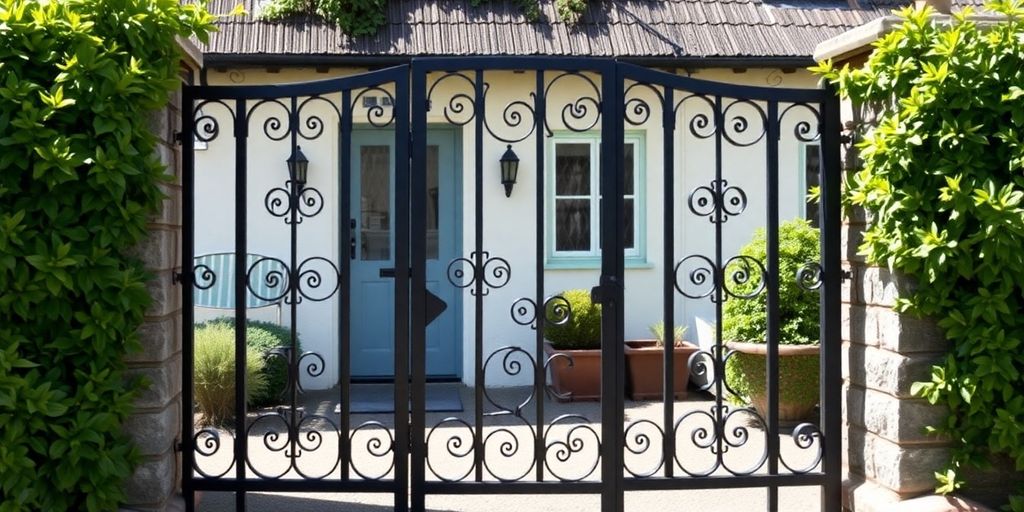
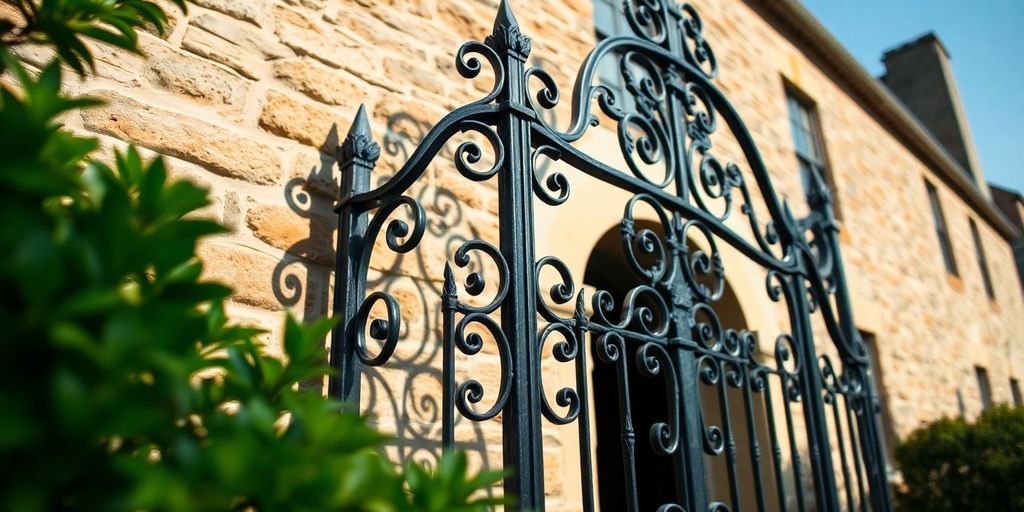
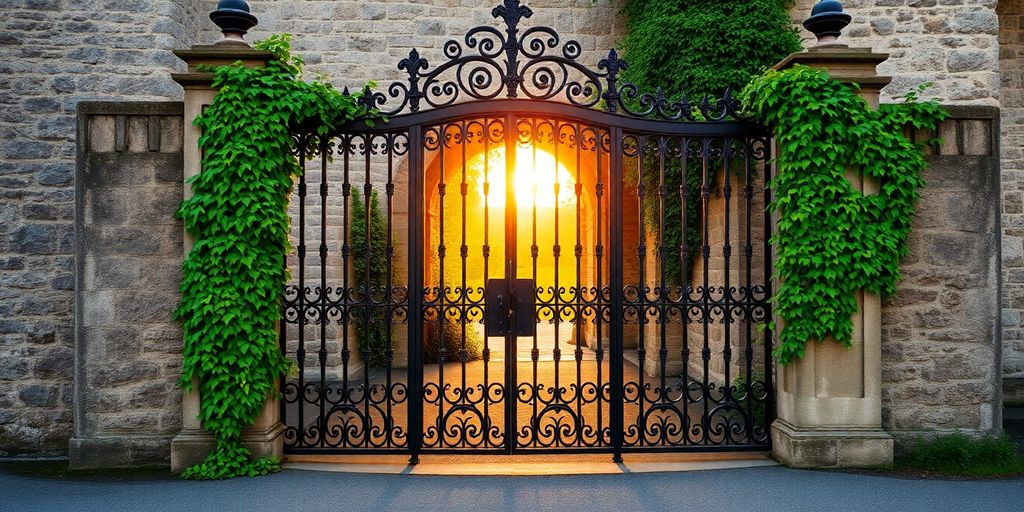
    Elegant bespoke gate, South West home.

    We reckon your gate should be as individual as you are. Forget off-the-shelf options; we’re all about creating something that truly complements your property and reflects your personal style. Whether you’re after automatic gates South West or something more traditional, we’ve got you covered.

    Customisation to Match Your Style

    Your gate is the first impression people get of your home, so let’s make it a good one. We work closely with you to understand your aesthetic preferences, architectural style, and functional needs. From the type of wood to the ironwork details, every element is carefully considered to create a gate that’s uniquely yours. We can help you choose the right style, finish, and hardware to perfectly match your home’s character.

    Designs for Garden and Driveway Gates

    Whether you need a charming garden gate to welcome visitors or robust security gates South West England for your driveway, we offer a wide range of designs to suit every purpose.

    • Garden gates: From quaint picket fences to ornate wrought iron designs, we can create a garden gate that adds character and charm to your outdoor space.
    • Driveway gates: We specialise in creating secure and stylish driveway gates that provide privacy and security while enhancing your property’s curb appeal.
    • Estate gates: For larger properties, we can design and install impressive estate gates that make a statement and provide a grand entrance.

    Bringing Your Vision to Life

    We don’t just build gates; we bring your vision to life. Our team of skilled craftsmen will work with you every step of the way, from initial design concepts to final installation. We use only the highest quality materials and construction techniques to ensure that your gate is not only beautiful but also durable and long-lasting. We’re committed to exceeding your expectations and creating a gate that you’ll be proud of for years to come.

    We believe that the design process should be collaborative and enjoyable. We’ll listen to your ideas, offer our suggestions, and work together to create a gate that perfectly reflects your style and meets your needs. Our goal is to make the process as smooth and stress-free as possible, so you can relax and enjoy the experience of creating something truly special.

    Comprehensive Gate Services and Support
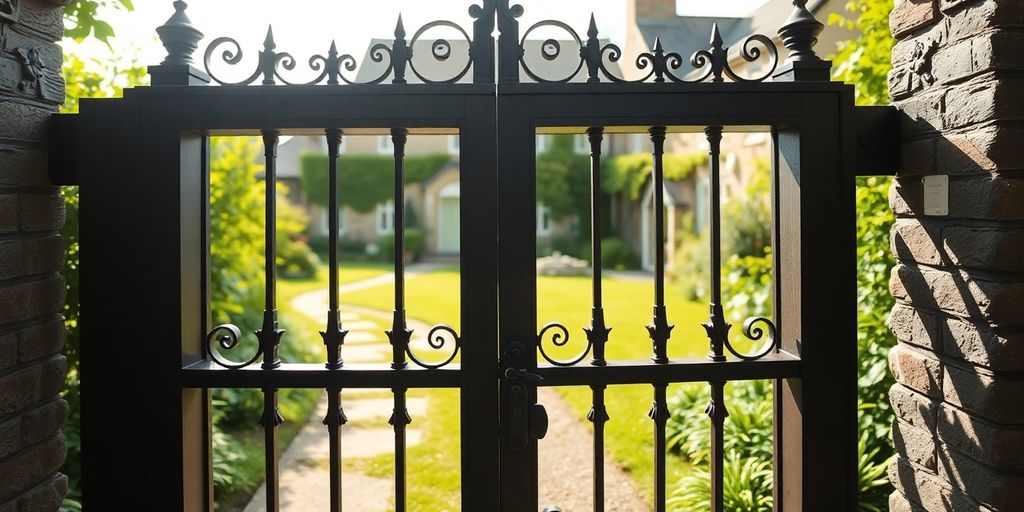
    Automated wooden gate opening onto a picturesque South West rural driveway.

    We don’t just install gates; we provide a full suite of services to keep them running smoothly for years to come. Think of us as your gate’s personal pit crew, always ready to fine-tune, repair, or upgrade as needed. We understand that a malfunctioning gate can be a major inconvenience, so we’re committed to providing prompt and reliable support.

    Full Supply and Installation Service

    From the initial consultation to the final bolt, we handle everything. We source high-quality gates and automation systems, ensuring they’re perfectly suited to your property and needs. Our installation team are experienced and qualified, guaranteeing a safe and efficient setup. We also offer a range of security fencing options to complement your gate.

    Ongoing Maintenance and Care

    Regular maintenance is key to extending the life of your gate. Just like a car, gates need check-ups to prevent problems down the line. We offer scheduled maintenance packages to keep your gate in top condition, including lubrication, alignment checks, and safety inspections. Don’t forget about electric gate maintenance South West to ensure smooth operation.

    Efficient Repair Solutions

    Even with the best maintenance, things can sometimes go wrong. Whether it’s a faulty motor, damaged hinges, or a broken sensor, our repair team is ready to help. We carry a wide range of spare parts and have the expertise to diagnose and fix problems quickly and effectively. We aim to minimise disruption and get your gate back in working order as soon as possible.

    A well-maintained gate not only enhances security but also adds value to your property. Our service contracts are designed to provide peace of mind, knowing that your gate is always in good hands.

    Dedicated Customer Satisfaction

    We reckon getting a new gate should be a pretty smooth ride, and that’s what we aim for. It’s not just about fitting a gate; it’s about making sure you’re chuffed with the whole thing, from start to finish. We’re a local bunch, and our reputation means everything to us, so we go the extra mile to keep our customers happy.

    Meeting and Exceeding Expectations

    We’re not happy unless you’re over the moon. Seriously. We listen to what you actually want and then try our hardest to go above and beyond. It’s about more than just doing the job; it’s about doing it properly and making sure you feel looked after. We’re always on hand to answer questions and sort out any worries you might have.

    Seamless Process from Start to Finish

    From the initial chat to the final fitting, we aim to make the whole process as easy as pie. Here’s how we roll:

    • First, we’ll have a good natter about what you need and want.
    • Then, we’ll give you a clear quote with no hidden costs.
    • Next, we’ll get the job done with as little fuss as possible.
    • Finally, we’ll make sure you’re completely happy before we pack up.

    We believe in keeping things simple and straightforward. No confusing jargon, no hidden costs, just good old-fashioned service with a smile.

    Trusted Local Provider

    Being local means we’re part of the community, and we take pride in that. We’re not some faceless corporation; we’re your neighbours. We’re always here to help, and we’re committed to providing a service you can rely on. We’ve built our business on trust and word-of-mouth, and we’re determined to keep it that way.

    Specialists in Various Gate Types

    We don’t just do gates; we understand them. Whether you’re after a simple garden gate or a complex automated system, we’ve got the know-how. We’ve seen it all, and we know what works best in the South West.

    Expertise in Garden Gate Installations

    Garden gates might seem straightforward, but getting them right makes a big difference. We focus on durability and aesthetics, ensuring your gate complements your garden and stands the test of time. We handle everything from initial design to final fitting, making sure it’s a perfect match for your needs. If you need commercial automatic barriers, we can help.

    Proficiency in Driveway Gate Systems

    Driveway gates are about more than just looks; they’re about security and convenience. We’re clued up on all the latest automation tech, and we can advise on the best system for your property. From swing gates to sliding gates, we ensure a smooth, reliable operation. Plus, we offer ongoing maintenance to keep your gate in top condition. If you’re looking for local gate repair South West, we’re here to help.

    Experience with Country Style Gates

    There’s something special about a traditional country-style gate. We have years of experience crafting these gates, using quality materials and time-honoured techniques. We understand the importance of blending in with the rural landscape, creating gates that are both beautiful and functional. We can also help with pedestrian gates if needed.

    A well-chosen gate can transform the look and feel of your property. It’s not just about keeping people out; it’s about creating a welcoming entrance and adding character to your home.

    Convenient Local Coverage

    It’s always a bonus to work with someone nearby, right? When it comes to your gates, choosing a local specialist in the South West just makes sense. You get that personal touch and the reassurance that help is never too far away.

    Serving Somerset and Surrounding Areas

    We’re proud to be based in Somerset, offering our gate services to the local community and beyond. Whether you’re in Taunton, Bridgwater, or a smaller village nearby, we’re on hand to help. We understand the specific needs of properties in this area, from the types of gates that suit the landscape to the common weather-related challenges. As carpenters and joiners in Somerset we supply and fit garden gates in these local locations.

    Gate Services Across the South West

    Our coverage extends across the entire South West region. We’re talking Gloucestershire, Bristol, Swindon, Wiltshire, The Cotswolds & Oxfordshire, Herefordshire, Worcestershire and beyond! So, if you’re looking for security gate systems in Devon or need a gate repair in Cornwall, don’t hesitate to get in touch. We’re committed to providing the same high level of service no matter where you are in the region.

    Prompt Local Call-Outs

    One of the biggest advantages of using a local company is the speed of response. If you have an issue with your gate, whether it’s a faulty motor or storm damage, we can be there quickly to assess the situation and get it sorted.

    Having someone local means less waiting around and a faster resolution to any problems. It’s peace of mind knowing that help is just a phone call away.

    Here’s a quick look at our typical response times:

    • Emergency repairs: Within 24 hours
    • Routine maintenance: Scheduled at your convenience
    • New installations: Flexible scheduling to suit your needs

    We’re right here in your area, ready to help with your gate and barrier needs. We know our stuff when it comes to keeping your place safe and sound. Want to see how we can help you? Pop over to our website and check out our full range of services.

    Wrapping Things Up

    So, when you’re thinking about getting a new gate or fixing an old one, going with a local specialist in the South West just makes sense. They know the area, they’re right there if you need them, and they really care about doing a good job for their neighbours. It’s not just about getting a gate; it’s about getting peace of mind and knowing you’ve got someone reliable on your side. Plus, you’re helping out a local business, which is always a good thing, isn’t it?

    Frequently Asked Questions

    Why should I pick a local gate specialist in the South West?

    Choosing a local gate expert means you get someone who truly understands the area. We know about the weather, the types of properties, and what people in the South West usually need. This helps us create gates that fit perfectly and last a long time in our local conditions.

    How do you make sure your gates are good quality?

    We take great pride in our work. Our gates are made by hand by skilled craftspeople who pay close attention to every little detail. We only use the best, strongest materials so your gate will be tough, look great, and stand the test of time.

    Can I get a gate designed just for my property?

    Absolutely! We love making gates that are just right for you. Whether you have a specific idea in mind or need some help, we can design a gate that matches your home’s style, whether it’s for your garden or driveway. We’ll work with you to bring your dream gate to life.

    Do you offer full installation and aftercare for the gates?

    Yes, we offer a complete service. We don’t just supply the gates; we also install them properly. Plus, we can help you keep your gate in top shape with maintenance tips and services. If something goes wrong, we’re also here to fix it quickly and efficiently.

    What makes your customer service special?

    We’re dedicated to making our customers happy. From the moment you first get in touch until your new gate is perfectly installed, we aim for a smooth and easy process. We’re a trusted local business, and we always try to go above and beyond what you expect.

    What types of gates do you specialise in?

    We’re experts in all sorts of gates! We have lots of experience installing garden gates, setting up driveway gate systems, and even crafting beautiful country-style gates. No matter what kind of gate you need, we’ve got the skills to do it right.

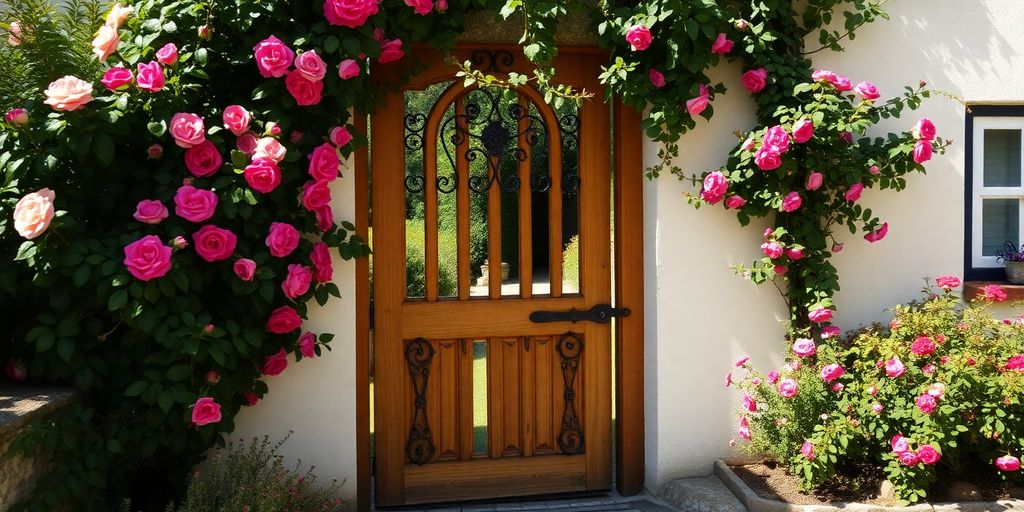
  • Listed‑Building Friendly Gate Designs: Protecting Heritage Homes in Cornwall

    Listed‑Building Friendly Gate Designs: Protecting Heritage Homes in Cornwall

    If you own a period property in Cornwall, you know how special it is. These old homes have a lot of character and history. But when it comes to making changes, like adding a new gate, things can get a bit tricky. You want something that looks good and works well, but you also have to respect the building’s past. This article will walk you through how to pick or design new heritage gate designs Cornwall that fit right in, without causing any problems with local rules. It’s all about finding that sweet spot between old charm and modern needs.

    Key Takeaways

    • Understanding your property’s listed status and what that means for changes is really important.
    • Working with local planning officers and experts can make the whole process much smoother.
    • New gates should match the old style and materials of your Cornish home.
    • Think about using traditional materials like wood or wrought iron for an authentic look.
    • Even with old buildings, you can still add modern features, like automatic openers, if done carefully.

    Understanding Listed Building Status in Cornwall

    Defining Heritage Buildings in the UK

    So, what exactly is a heritage building? Well, in the UK, it’s a building deemed to have significant historical or architectural value. This means it’s protected by law. These buildings aren’t just old; they represent important parts of our past and contribute to the unique character of our towns and villages. Think grand manor houses, quaint cottages, even industrial structures – they can all be listed. It’s about preserving these places for future generations to appreciate. Understanding this is the first step before considering any heritage gate designs.

    Grades of Listed Buildings Explained

    Not all listed buildings are created equal. There are different grades, each reflecting the building’s relative importance:

    • Grade I: These are buildings of exceptional interest, often considered to be of national importance. Only a small percentage of listed buildings fall into this category.
    • Grade II:* These are particularly important buildings of more than special interest. They’re a step below Grade I but still hold significant historical or architectural value.
    • Grade II: This is the most common grade, encompassing buildings of special interest that warrant preservation. Most listed buildings you’ll encounter will be Grade II.

    It’s important to know the grade of your listed building because it affects the level of scrutiny any proposed changes will face. Grade I listed buildings, for example, will have stricter regulations than Grade II listed ones.

    The Role of Conservation Areas in Cornwall

    Beyond individual listed buildings, Cornwall also has designated conservation areas. These are areas recognised for their special architectural or historic interest, where the local planning authority has a duty to ensure that any development preserves or enhances the area’s character. Even if your property isn’t individually listed, if it’s within a conservation area, you’ll need to be mindful of the area’s overall aesthetic. This means considering how any new gate design will comply with local regulations and the visual harmony of the surroundings.

    Navigating Planning Regulations for Heritage Gate Designs Cornwall

    It’s a bit of a minefield, isn’t it? Getting anything done with heritage buildings. Especially when you start thinking about gates. You can’t just slap up any old thing; there are rules, and they’re there for a reason. Let’s break down what you need to know about planning regulations in Cornwall when it comes to heritage gate designs.

    Engaging with Conservation Officers

    First things first, talk to the people who know. Conservation officers at the local council are your best friends (or at least, your most important contacts) in this process. They can give you the lowdown on what’s acceptable and what isn’t before you even start drawing up plans. It’s way better to get their input early than to have your application rejected later. They understand the nuances of conservation area gate regulations and can guide you towards a design that respects the building’s character.

    The Importance of Expert Guidance

    Don’t go it alone. Seriously. Find someone who knows their stuff when it comes to heritage buildings. An architect or a specialist in traditional gates for listed buildings can be worth their weight in gold. They’ll understand the regulations, the materials, and the design principles that will make your project a success. Plus, they’ll be able to handle the paperwork and the application process, which can be a real headache.

    Balancing Preservation and Progress

    It’s all about finding that sweet spot. You want a gate that looks good, does the job, and doesn’t ruin the historical integrity of the property. It’s a balancing act. Think about:

    • The materials: Are they in keeping with the existing building?
    • The design: Does it complement the architecture?
    • The impact: Will it affect the surrounding area?

    Getting planning permission isn’t just about ticking boxes; it’s about respecting the past while making the building work for the present. It’s about finding solutions that are both practical and beautiful, and that will stand the test of time.

    Ultimately, it’s about showing that you’ve thought carefully about the impact of your project and that you’re committed to preserving Cornwall’s heritage.

    Sympathetic Gate Design Principles for Cornish Homes

    Ornate wooden gate, traditional Cornish cottage, sunlit garden.

    When it comes to adding or updating gates on heritage properties in Cornwall, it’s not just about security or kerb appeal. It’s about respecting the history and character of the building and its surroundings. Getting this right means carefully considering several key principles.

    Respecting Historical Context and Character

    First and foremost, any new gate design should complement the existing historical context. This means researching the architectural style of the property and the surrounding area. What materials were traditionally used? What are the common design motifs? For example, a sleek, modern gate would look completely out of place on a traditional Cornish stone cottage. Think about the age of the property and try to find gate designs that would have been appropriate for that period. It’s about creating a sense of continuity and ensuring the gate doesn’t jar with the overall aesthetic.

    Integrating Traditional Materials

    Using traditional materials is key to achieving a sympathetic design. For Cornwall, this often means:

    • Timber: Locally sourced oak or chestnut can provide a natural, rustic look.
    • Wrought Iron: Classic wrought ironwork can add elegance and security.
    • Stone: Incorporating Cornish stone elements can tie the gate into the landscape.

    Choosing the right material is about more than just aesthetics; it’s also about durability and suitability for the Cornish climate. Consider how the materials will weather over time and choose options that will age gracefully.

    Harmonising New Designs with Existing Architecture

    It’s not always about replicating old designs exactly. Sometimes, a contemporary twist can work well, but it needs to be done carefully. The key is to find a balance between old and new, ensuring the new gate design harmonises with the existing architecture. This might involve:

    • Using traditional materials in a modern way.
    • Adopting a simple, understated design that doesn’t compete with the building’s features.
    • Paying attention to scale and proportion to ensure the gate feels in keeping with its surroundings.

    It’s important to remember that the goal is to enhance the property, not detract from it. A well-designed gate should look like it belongs, as if it has always been there. Consider the impact of your design on the overall streetscape and aim to create something that adds to the character of the area. Think about how electric gate regulations might affect your design choices.

    Ultimately, sympathetic gate design is about thoughtful consideration and attention to detail. By respecting the historical context, using traditional materials, and harmonising new designs with existing architecture, you can create a gate that not only looks beautiful but also protects and enhances your heritage home.

    Material Selection for Authentic Heritage Gate Designs Cornwall

    When it comes to heritage gate designs in Cornwall, the choice of materials is super important. It’s not just about what looks good; it’s about respecting the history and character of the building. Getting the materials right can make or break the whole project, so it’s worth taking the time to consider all the options.

    Traditional Timber Choices for Gates

    Timber is a classic choice for gates, and there are several types that are particularly well-suited to heritage properties. Oak is a popular option because it’s strong, durable, and has a beautiful grain.

    • Oak: Known for its strength and longevity, often used in traditional Cornish buildings.
    • Accoya: A modified timber that offers enhanced durability and resistance to rot, ideal for exposed locations.
    • Softwoods (like Pine or Cedar): Can be suitable if properly treated and maintained, offering a more cost-effective solution.

    Choosing the right timber involves considering the gate’s exposure to the elements, the desired aesthetic, and the overall budget. Proper treatment and regular maintenance are essential to ensure the longevity of any timber gate.

    Wrought Ironwork and Period Styles

    Wrought iron is another material that’s often associated with heritage properties. It can be used to create intricate designs and add a touch of elegance to a gate. When working with wrought iron, it’s important to consider the period style of the property and choose a design that’s in keeping with its character. You might want to consider security fencing services to complement your gate.

    • Victorian: Characterised by ornate details and decorative scrolls.
    • Edwardian: Simpler designs with clean lines and geometric patterns.
    • Arts and Crafts: Emphasises handcrafted elements and natural forms.

    Locally Sourced Cornish Stone Elements

    For gateposts and other structural elements, locally sourced Cornish stone can be a great choice. It helps to blend the gate with the surrounding landscape and adds a sense of authenticity. Using stone that’s been quarried nearby can also reduce the environmental impact of the project. Cornish granite is particularly durable and weather-resistant.

    Here’s a simple table showing the pros and cons of each material:

    Material Pros Cons
    Oak Strong, durable, beautiful grain Can be expensive, requires regular treatment
    Wrought Iron Elegant, intricate designs, long-lasting Can rust if not properly maintained, may require specialist skills to work with
    Cornish Stone Authentic, blends with landscape, durable Can be difficult to source, may require specialist skills to work with

    Modern Innovations in Heritage Gate Designs Cornwall

    It’s easy to think that historic gate styles Cornwall are stuck in the past, but there’s actually a lot of cool innovation happening. We’re seeing some really clever ways to blend the old with the new, making gates that are both beautiful and practical for modern life.

    Subtle Integration of Automation

    No one wants a clunky, modern gate ruining the look of their Cornwall period property gates. The trick is to hide the tech. Think about it: underground motors, discreet sensors, and control panels that blend into the surroundings. The goal is smooth, quiet operation without sacrificing the gate’s historical charm.

    Contemporary Approaches to Traditional Forms

    It’s not just about copying old designs. Designers are taking inspiration from traditional shapes and patterns, then giving them a modern twist. This might mean using new materials, simplifying the lines, or adding subtle, contemporary details. The result? Gates that feel fresh and relevant, but still respect the past. For example:

    • Using laser-cut metal to mimic the look of wrought iron.
    • Combining timber with glass panels for a lighter, more open feel.
    • Incorporating geometric patterns inspired by Cornish art.

    Sustainable Practises in Gate Construction

    Sustainability is a big deal, even when it comes to gates. People are looking for eco-friendly options, like using reclaimed timber, locally sourced materials, and finishes that are kind to the environment. Plus, a well-built gate should last for generations, reducing the need for replacements. When considering bespoke heritage gates UK, think about the environmental impact.

    It’s about finding that sweet spot where tradition meets technology and sustainability. The aim is to create gates that not only look amazing but also function well and have a minimal impact on the planet. It’s a challenge, but the results are worth it.

    Case Studies: Successful Heritage Gate Designs Cornwall

    Ornate wrought iron gate, historic Cornish home.

    Restoring Original Features in Barn Conversions

    Barn conversions present a unique opportunity to blend rustic charm with modern living. One particularly successful project involved the meticulous restoration of a set of original gates found on a Cornish farm. The gates, crafted from locally sourced oak, were painstakingly repaired, with missing sections replaced using timber from the same woodland. The ironwork was cleaned and treated to prevent further corrosion, ensuring the gates not only looked authentic but also functioned perfectly. The result was a stunning entrance that paid homage to the building’s agricultural past.

    • Careful timber selection.
    • Professional ironwork restoration.
    • Sensitive integration with modern security features.

    The key to success in these projects lies in understanding the original construction techniques and materials. By respecting the past, we can create something truly special for the future.

    Award-Winning Heritage Property Renovations

    Several heritage properties in Cornwall have received awards for their sensitive renovations, and gate design often plays a crucial role. One such project involved a grand manor house where the existing gates were beyond repair. Rather than opting for a modern replacement, the owners commissioned a local blacksmith to create a new set of gates based on historical designs. The blacksmith used traditional techniques to forge the ironwork, and the gates were finished with a durable, weather-resistant coating. The result was a stunning entrance that perfectly complemented the property’s architectural style. Consider automatic barriers for added security.

    • Historical research to inform design.
    • Use of traditional blacksmithing techniques.
    • Durable, weather-resistant finishes.

    Transforming Historic Spaces for Modern Living

    Many historic spaces are being transformed to meet the demands of modern living, and gate design is an important consideration. One project involved a former industrial site that was converted into a residential complex. The original gates were deemed unsuitable for modern use, so a new set of gates was designed to reflect the site’s industrial heritage. The gates featured a simple, geometric design with a weathered steel finish, creating a striking contrast with the surrounding architecture. The design provided a secure and stylish entrance that respected the site’s past while embracing its new purpose.

    • Reflecting the site’s history in the design.
    • Using materials that complement the architecture.
    • Balancing security with aesthetics.

    Choosing the Right Professionals for Heritage Gate Designs Cornwall

    Finding the right people to work on your heritage gate project in Cornwall is really important. It’s not just about getting a gate; it’s about respecting history and making sure everything is done properly. You need people who understand the rules and can create something beautiful that fits in with the surroundings. It’s a bit like finding the perfect security gates and barriers – you want something that works well and looks great.

    The Value of Experienced Architects

    An architect with experience in heritage work can be a game-changer. They understand the nuances of listed buildings and conservation areas, and they know how to design something that complements the existing architecture. They can also help you navigate the planning process, which can be tricky. It’s worth checking out architects in Exeter, Devon, who specialise in this kind of work. They can bring a wealth of knowledge and creativity to your project.

    Collaborating with Heritage Specialists

    Working with heritage specialists is a smart move. These are the people who really understand the history of your property and the surrounding area. They can advise on the best materials and designs to use, ensuring that your new gate is in keeping with the character of the building. They can also help you understand the historical context of your property, which can inform the design process.

    Finding Skilled Local Craftsmen

    Don’t underestimate the value of local craftsmen. Cornwall has a rich tradition of craftsmanship, and there are many skilled people who can create beautiful, bespoke gates. They often have a deep understanding of traditional techniques and materials, and they can bring a unique touch to your project. Plus, using local craftsmen supports the local economy and helps to preserve traditional skills.

    It’s important to remember that working on a listed building is a collaborative effort. You’ll need to work closely with architects, heritage specialists, and craftsmen to ensure that your project is a success. Good communication and a shared understanding of the goals are essential.

    Picking the right experts for your heritage gate project in Cornwall is super important. You want folks who really get how to make gates that look great and last a long time, especially for older properties. If you’re ready to find out more about making your gate dreams a reality, pop over to our website!

    Wrapping It Up

    So, there you have it. Getting new gates for a listed building in Cornwall might seem like a big headache, but it doesn’t have to be. It’s all about finding that sweet spot between keeping the old charm and making things work for today. You’ve got to think about the building’s history, what it looks like, and how it fits into the area. And honestly, getting some good advice from people who know their stuff, like architects or conservation experts, can make a huge difference. They can help you pick out materials and designs that look right and also get through all the paperwork. It’s a bit of a process, sure, but the end result is a gate that not only looks great but also helps keep Cornwall’s amazing heritage safe for years to come. It’s totally worth the effort.

    Frequently Asked Questions

    What exactly is a listed building in Cornwall?

    A listed building is a structure officially recognised as being historically or architecturally important. This means it’s protected by law to keep its special character. There are different grades, with Grade I being the most important.

    Can I make changes to a listed building in Cornwall?

    Yes, absolutely! You can still make changes, but you need to get special permission called ‘listed building consent’. This makes sure any work you do respects the building’s history.

    Who should I talk to before starting work on a listed building?

    It’s super important to talk to your local council’s conservation officer early on. They can give you advice and help you understand what’s allowed.

    What kind of materials are best for gates on a heritage home?

    For gates, it’s best to use materials that match the age and style of your home, like traditional wood or wrought iron. Using local Cornish stone can also be a great idea.

    Can modern technology be used with heritage gate designs?

    Even though they’re old, you can add modern touches like automatic openers, as long as they don’t change the gate’s look too much. It’s about blending the old with the new.

    How do I find the right people to design and install my gate?

    Always choose professionals who have experience with listed buildings. Look for architects, builders, and craftspeople who understand heritage properties and have a good track record.

  • Are Solar Gates Right for Your Rural Property? Benefits and Considerations

    Are Solar Gates Right for Your Rural Property? Benefits and Considerations

    Thinking about getting a new gate for your rural property in the UK? Solar powered gates UK might be just what you need. They’re becoming a popular choice, especially for places a bit off the beaten track. This article will look at the good bits and the things you need to think about when considering solar powered gates UK, helping you decide if they’re right for your home.

    Key Takeaways

    • Solar powered gates UK use the sun’s energy, making them good for the environment and potentially cheaper to run over time.
    • They’re really useful for properties in remote areas because they don’t need to be connected to the main electricity grid.
    • While they offer lots of benefits, you need to consider how much sunlight your property gets and how often you’ll use the gate.
    • Installation by professionals is important, and a bit of regular looking after will keep your solar powered gates UK working well.
    • Choosing the right supplier means finding someone who can design a system that fits your specific needs and offers good support.

    Understanding Solar Powered Gates UK

    How Solar Gate Automation Works

    Solar gate automation is a pretty neat solution, especially if you’re in a rural area. Basically, it uses the sun’s energy to power your gate. Solar panels capture sunlight and convert it into electricity, which is then stored in a battery. This battery powers the gate motor, allowing you to open and close your gate remotely. It’s a great way to automate your [wireless driveway gates rural](#5e9c] without relying on mains electricity. This is especially useful for automatic gate openers for farms where running power lines can be a real pain.

    Components of a Solar Gate System

    So, what exactly makes up a solar gate system? Here’s a quick rundown:

    • Solar Panels: These capture sunlight and convert it into DC electricity.
    • Charge Controller: This regulates the electricity from the solar panels to prevent overcharging the battery.
    • Battery: Stores the electrical energy for use when the sun isn’t shining.
    • Gate Motor: This is what actually opens and closes the gate.
    • Control System: Allows you to operate the gate remotely, often with a remote control or keypad.
    • Wiring and Connectors: To connect all the components together.

    Benefits for Rural Properties

    For rural properties, solar powered gates offer a bunch of advantages. They’re ideal for locations where running electrical cables is difficult or expensive. Think of farms, large estates, or even just properties that are a bit off the beaten path. They provide reliable [off-grid gate solutions UK](#5e9c], reducing your reliance on the national grid. Plus, they’re environmentally friendly, using renewable energy to operate. You can even use them for solar electric fence gates, making your entire property more self-sufficient.

    Solar gates are a great way to improve security and convenience without increasing your carbon footprint. They offer a reliable and cost-effective solution for remote properties, providing independence from mains electricity and reducing long-term running costs.

    Key Advantages of Solar Powered Gates UK

    Environmental Benefits and Reduced Carbon Footprint

    Choosing solar powered gates is a step towards sustainable property access systems. They use renewable energy from the sun, which reduces your reliance on the national grid and lowers your carbon footprint. Solar energy is clean, and using it means fewer greenhouse gas emissions. It’s a win for the environment.

    Significant Cost Savings Over Time

    While the initial cost might be a bit higher, solar gates can save you money in the long run. You’ll see a reduction in your electricity bills because the gate runs on solar power, not mains electricity. Plus, there are fewer running costs. It’s a smart investment that pays off over time.

    Enhanced Reliability and Off-Grid Capability

    Solar powered gates are really reliable, especially in rural areas. They can work even if there’s a power cut because they have battery storage. This off-grid capability means you won’t get stuck if the mains power goes down. They’re designed to be self-sufficient, giving you peace of mind.

    Solar gates offer a reliable and environmentally sound solution for property access, particularly beneficial in remote locations where access to the electricity grid is limited or unreliable. The combination of reduced energy costs, environmental benefits, and enhanced reliability makes them a compelling choice for rural properties.

    Practical Benefits for Rural Living

    Improved Remote Accessibility

    For those of us living in the countryside, long driveways and remote entrances are just part of the deal. Solar-powered gates offer a fantastic solution by allowing you to control access without having to physically be there. Imagine arriving home on a dark, rainy night and opening your gate with the click of a button – a far cry from fumbling with keys in the downpour. This is especially useful for farms or large estates where the gate might be a considerable distance from the main house. It’s all about convenience and saving time, something we can all appreciate.

    Low Maintenance Requirements

    One of the best things about solar gates is how little upkeep they need. Unlike traditional electric gates that might require frequent checks and repairs to the wiring, solar gates are pretty self-sufficient. Solar panels need a clean maybe once a year to ensure they’re capturing sunlight efficiently, but that’s about it. The batteries will eventually need replacing, but that’s usually after several years of use. Think of it as a ‘fit and forget’ solution, giving you more time to focus on other things around your property. This makes solar gate automation a great choice.

    Independence from Mains Electricity

    Rural properties often face challenges when it comes to accessing mains electricity. Running cables across fields or through woodland can be expensive and disruptive. Solar-powered gates completely bypass this issue, providing a truly off-grid solution. This independence not only saves you money on installation costs but also protects you from power outages.

    With a solar gate, you’re not reliant on the grid, meaning your gate will continue to function even if there’s a power cut in the area. This is a huge advantage for security and peace of mind, especially in remote locations where power outages can be more frequent.

    Here’s a quick look at the comparison:

    Feature Mains Powered Gates Solar Powered Gates
    Power Source Mains Electricity Solar Panels & Battery
    Grid Dependence High None
    Running Costs Electricity Bills Minimal
    Installation Cost Can be High (Trenching) Lower (No Trenching)

    Important Considerations for Solar Powered Gates UK

    While solar-powered gates offer numerous advantages, it’s important to consider some potential drawbacks before making a decision. It’s not all sunshine and roses, you know?

    Weather Dependency and Sunlight Exposure

    The biggest factor affecting solar gate performance is, unsurprisingly, the weather. If you live in an area with lots of cloud cover, or your gate is shaded by trees, you might struggle. Solar panels need sunlight to generate power, and less sunlight means less power for your gate. It’s pretty obvious, but worth stating. You might need to think about the panel placement to get the most sunlight possible.

    Limitations on Power Output

    Solar gate motors are generally less powerful than their mains-powered counterparts. This means they might not be suitable for very heavy gates or gates that are used very frequently. Think about how often your gate will be opening and closing each day. If it’s just a few times, you’re probably fine. But if it’s constantly in use, a solar gate might not be up to the job. It’s all about matching the gate to the power available.

    Battery Storage and Backup Needs

    Solar gates rely on batteries to store the energy generated by the solar panels. These batteries provide power when the sun isn’t shining, but they have a limited capacity. If you have a prolonged period of bad weather, the batteries could run flat, leaving you unable to open or close your gate. It’s a good idea to consider a backup power source, such as a generator, or even a second set of batteries, just in case. It’s better to be safe than sorry, especially when it comes to security.

    It’s worth remembering that while solar gates are generally reliable, they do require a bit more planning and consideration than standard electric gates. Think about your specific needs and circumstances before making a decision.

    Comparing Solar and Electric Gate Systems

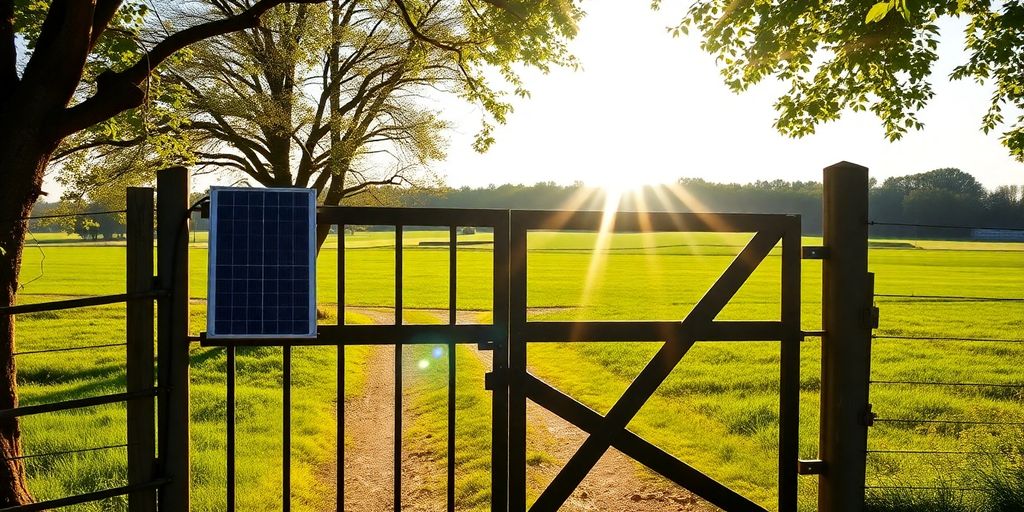
    Solar panel powering rural property gate

    Choosing between solar and electric gate systems involves weighing several factors. Both have their strengths and weaknesses, and the best choice depends on your specific needs and circumstances. Let’s break down the key differences.

    Location and Sunlight Availability

    Sunlight availability is a major factor. If your property gets plenty of sunshine, a solar gate is a viable option. However, if your area is often cloudy or shaded, an electric gate might be more reliable. Think about how much direct sunlight your gate location receives throughout the year. This will directly impact the performance of a solar gate system.

    Gate Usage Frequency

    How often will the gate be used? Electric gates are generally better suited for high-traffic areas because they have a consistent power supply. Solar gates, on the other hand, might struggle to keep up with frequent use, especially if the battery doesn’t have enough time to recharge between operations. Consider the daily usage to ensure the system can handle the demand.

    Security Requirements

    Security is another important consideration. Electric gates can easily support additional security features like surveillance cameras, intercoms, and biometric access systems because they have a reliable power source. Solar gates can support these features, but their performance might be affected by battery life and sunlight availability.

    When deciding, think about your long-term needs and potential costs. Electric gates might have lower upfront costs, but higher electricity bills. Solar gates have a higher initial investment but can save you money on energy in the long run. Consider backup power solutions for both types of gates to ensure functionality during outages or periods of low sunlight.

    Installation and Maintenance of Solar Powered Gates UK

    Professional Installation Process

    Getting your solar gate automation installed properly is really important. It’s not just a case of slapping some panels on and hoping for the best. A professional installer will assess your property, figure out the best placement for the solar panels to maximise sunlight exposure, and ensure everything is wired up correctly. They’ll also make sure the gate motor is properly sized for your gate and that the safety features are working as they should. This initial setup is crucial for the long-term performance and reliability of your solar gate system.

    • Site assessment and planning.
    • Proper wiring and connections.
    • Testing and calibration of the system.

    Routine Maintenance for Optimal Performance

    Solar powered gates are generally low maintenance, but they do require some attention to keep them running smoothly. The solar panels will need occasional cleaning to remove any dirt, dust, or debris that can reduce their efficiency. It’s also a good idea to check the battery connections and wiring regularly to make sure everything is still in good condition. Regular maintenance will help to prevent problems down the line and extend the lifespan of your system.

    Keeping your solar panels clean is a simple task that can significantly improve their performance. A quick wash with soapy water and a soft brush every few months is usually all it takes.

    Ensuring Long-Term Durability

    To ensure your solar powered gate lasts for years to come, it’s important to use high-quality components and follow a regular maintenance schedule. Consider these points:

    • Use durable, weather-resistant materials.
    • Protect the battery from extreme temperatures.
    • Schedule regular inspections and servicing.
    Component Recommended Action
    Solar Panels Clean every 3-6 months
    Batteries Check connections annually, replace every 5-7 years
    Gate Motor Lubricate moving parts annually
    Wiring Inspect for damage or corrosion annually

    Choosing the Right Solar Powered Gate UK Provider

    Picking the right company for your solar gate solutions is a big deal. You want someone reliable, who knows their stuff, and won’t leave you in the lurch after installation. It’s not just about the initial cost; it’s about the long-term performance and support you’ll receive.

    Custom Design and Assessment

    Not all properties are created equal, and neither are their solar gate needs. A good provider will start with a thorough assessment of your property. This includes looking at sunlight exposure, gate size and weight, and how often you’ll be using the gate. This assessment is crucial for designing a system that meets your specific requirements. They should be able to tailor a solution to your needs, rather than offering a one-size-fits-all package.

    High-Quality Products and Equipment

    The quality of the solar panels, batteries, and gate automation components will directly impact the reliability and lifespan of your system. Look for providers who use industry-leading products with proven track records. Don’t be afraid to ask about warranties and certifications. A cheap system might seem appealing upfront, but it could end up costing you more in the long run if it requires frequent repairs or replacements.

    Ongoing Support and Servicing

    Even the best solar gate systems require occasional maintenance and servicing. Make sure the provider offers ongoing support to keep your automated gates running smoothly. This could include regular check-ups, cleaning of solar panels, and prompt response to any technical issues. A provider who offers a comprehensive service package will give you peace of mind and ensure your investment is protected.

    Choosing a local provider can be advantageous. They’ll be more familiar with the local climate and conditions, and they’ll be easier to reach if you need assistance. Plus, they’re more likely to have a vested interest in maintaining a good reputation in the community.

    Picking the best solar-powered gate company in the UK can feel tricky. You want a firm that knows its stuff and offers great service. We’ve been helping folks with gates since 2006, making sure homes and businesses are safe and sound. Find out more about our reliable solar gate options and how we can help you by visiting our website today!

    Wrapping Things Up

    So, when you’re thinking about a solar gate for your place out in the sticks, it’s not just a simple yes or no. You’ve got to weigh up the good bits, like saving money on electricity and being kind to the planet, against the not-so-good bits, like what happens when it’s cloudy for days. It’s a bit like picking a new car; you look at what you need it for, where you’ll drive it, and how much you want to spend. Solar gates are pretty neat for those remote spots, and they can definitely make life easier. Just make sure you’ve thought about all the angles before you go for it.

    Frequently Asked Questions

    How do solar-powered gates actually work?

    Solar-powered gates use special panels to capture energy from the sun. This energy then charges a battery, which powers the gate’s motor. This means the gate can open and close even when it’s cloudy or at night, without needing to be plugged into the main electricity supply.

    What are the main benefits of choosing a solar gate?

    Going for a solar gate helps the environment by using clean energy from the sun, which means less pollution. It also saves you money on electricity bills over time because you’re not using power from the grid. Plus, they’re great for places far from power lines and can keep working even if there’s a power cut.

    Are there any downsides to using a solar gate?

    While solar gates are fantastic, they do depend on sunlight. So, if you live somewhere with lots of cloudy days or heavy tree cover, they might not work as well. Also, the motors aren’t usually as strong as electric ones, so they might not be suitable for very heavy gates or gates that open and close all the time.

    Who would benefit most from a solar-powered gate?

    Solar gates are perfect for properties in the countryside, especially those far from the main road or without easy access to electricity. They offer a simple way to control your gate from a distance, making life easier and more secure.

    Are solar gates reliable during power cuts?

    Yes, they are! Solar gates have batteries that store energy, so they can keep working even if the power goes out. This means your property stays secure and accessible no matter what.

    How much upkeep do solar gates need?

    Generally, solar gates don’t need much looking after. You’ll want to clean the solar panels now and then to make sure they’re soaking up as much sun as possible. Other than that, they’re pretty low maintenance.

  • 5 Reasons to Install Security Fencing on Your Commercial Property in Devon

    5 Reasons to Install Security Fencing on Your Commercial Property in Devon

    Thinking about boosting your commercial property’s security in Devon? Installing security fencing Devon is a smart move. It’s not just about keeping bad guys out; it offers a whole bunch of other perks too. Let’s look at five good reasons why adding some sturdy fencing could be just what your business needs.

    Key Takeaways

    • Security fencing helps make your property more private.
    • It acts as a strong deterrent for anyone thinking about trespassing.
    • Your overall security gets a big lift with proper fencing.
    • Fencing clearly marks out your property lines.
    • Adding good security fencing can actually make your property worth more.

    1. Improved Privacy

    Let’s be honest, sometimes you just want to keep things private. Whether it’s nosy neighbours or just wanting to create a more secluded environment for your employees and clients, security fencing can really help. It’s not just about keeping people out; it’s about creating a sense of exclusivity and peace of mind.

    Think about it: a business with clear boundaries and a sense of privacy projects an image of professionalism and control. It tells people you value your space and what goes on within it. Plus, it can make your property a more pleasant place to be. No one wants to feel like they’re constantly on display.

    Here’s a few things to consider:

    • Solid fencing options like composite fencing offer complete visual blockage, unlike chain link or steel fences with gaps.
    • The height of the fence plays a big role. Taller fences obviously provide more privacy.
    • Consider the location of the fence. Strategic placement can shield key areas from view.

    Security fencing isn’t just about security; it’s about creating a comfortable and private space for your business to thrive. It’s an investment in your peace of mind and the well-being of your employees.

    Chain link fences, for example, are low cost but offer no privacy. Steel fences, while strong, often have gaps. If privacy is a priority, explore options with solid panels.

    Ultimately, the right security fencing can transform your commercial property into a private oasis, shielding you from unwanted attention and creating a more secure and comfortable environment. It’s a simple change that can make a big difference.

    2. Deterrent To Intruders

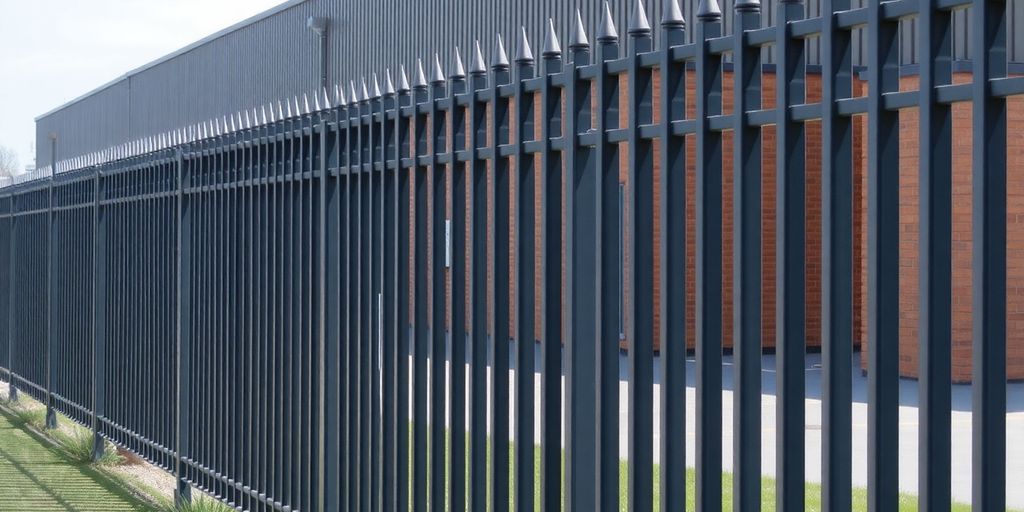
    Security fence at commercial property in Devon.

    Installing perimeter fences Devon can significantly reduce the likelihood of unwanted visitors to your commercial property fencing Devon. It’s a pretty simple concept, really. If it looks difficult to get in, most people won’t even try.

    Think of it like this: a visible barrier sends a clear message. It says, "This property is protected, and unauthorised access is not welcome." That alone can be enough to make potential intruders think twice and move on to an easier target.

    Here’s how security gates for businesses Devon and fencing act as a deterrent:

    • Physical Obstacle: Fences create a physical barrier that intruders must overcome, requiring time, effort, and tools.
    • Visual Deterrent: The mere presence of a fence, especially a tall or imposing one, can discourage potential intruders.
    • Increased Risk of Detection: Intruders are more likely to be seen or heard while attempting to breach a fence, increasing their risk of getting caught.

    A well-maintained and robust fence shows that you take security seriously. It’s a proactive step that can prevent problems before they even start. Chain link fences, while functional, might not offer the same level of deterrence as solid panel or palisade fencing, as they are easier to climb or cut through. Investing in a more robust system can pay dividends in the long run.

    3. Increased Security

    Let’s be honest, one of the main reasons you’re considering security fencing is, well, for security. It’s not just about looking good; it’s about protecting your business. A good fence acts as a strong visual and physical deterrent to potential intruders.

    Security fencing significantly boosts the protection of your commercial property. It’s a clear message to anyone thinking of trespassing or causing trouble: this property is protected.

    Think about it – a well-constructed fence makes it much harder for someone to simply walk onto your property unnoticed. It forces them to think twice, and often, that’s enough to send them elsewhere. For robust Devon business security solutions, consider options that integrate with alarm systems and surveillance for comprehensive protection. Investing in high security fencing contractors Devon ensures your property is well-protected.

    Security fencing isn’t just a barrier; it’s an investment in peace of mind. Knowing your property is secure allows you to focus on running your business without constantly worrying about potential threats.

    Here are a few ways security fencing enhances protection:

    • Deters intruders and vandals.
    • Creates a physical barrier against unauthorised access.
    • Provides a foundation for integrating other security measures, like CCTV and alarms.

    4. Established Boundaries

    Sturdy tall metal fence enclosing commercial property.

    Security fencing isn’t just about keeping people out; it’s also about clearly defining where your property begins and ends. This can be surprisingly important for several reasons. Think about it – without a clear boundary, disputes with neighbours can arise, and it can be difficult to manage your land effectively. A well-defined boundary, courtesy of some sturdy fencing, can prevent a lot of headaches down the line.

    • Prevents encroachment from neighbouring properties.
    • Reduces the likelihood of boundary disputes.
    • Makes it easier to manage landscaping and maintenance.

    Having a physical barrier makes it crystal clear where your responsibilities lie, and where they don’t. It’s a simple but effective way to avoid misunderstandings and maintain good relationships with those around you.

    A clear boundary helps to avoid any confusion about property lines. It’s a visual cue that respects the space of others and protects your own. Plus, it can be particularly useful in commercial settings where deliveries, parking, and other activities need clearly marked zones. Consider vertical gates as part of your boundary solution, especially if space is a concern. Boundary disputes can be costly and time-consuming, so investing in good fencing is a smart move.

    5. Increased Property Value

    Okay, so maybe you’re not thrilled about security fencing. It’s not exactly the most glamorous addition to your commercial property, right? But hear me out – it can actually boost your property’s value. Think about it: a secure property is a more desirable property.

    Potential buyers or renters will see the fencing as a major plus, knowing their assets and well-being are better protected. It’s an investment that pays off in the long run. Plus, a well-maintained fence just looks good, adding to the overall appeal of your business premises. If you’re considering palisade fencing, it’s worth remembering that it’s not just about security; it’s about making your property more attractive to future investors.

    Adding security measures like fencing can signal to potential buyers that you’ve invested in the upkeep and safety of the property, making it a more attractive and valuable asset.

    Here’s a quick rundown of how security fencing can increase property value:

    • Enhanced security reduces insurance premiums, making the property more attractive to buyers.
    • Clearly defined boundaries prevent disputes and add a sense of order, which is always a plus.
    • A well-maintained fence improves the overall aesthetic appeal of the property, increasing its market value.

    Putting in a good gate or barrier can make your home worth more. It shows buyers that your place is safe and well looked after. Want to see how much a new gate could boost your property’s appeal? Pop over to our website to learn more about our domestic gates.

    Wrapping It Up

    So, there you have it. Putting up security fencing on your commercial property in Devon isn’t just about looking tough; it’s a smart move for lots of reasons. It keeps your stuff safe, stops people from just wandering in, and honestly, it just makes everyone feel a bit more secure. Plus, it can even make your place look better and add some value. Thinking about all the hassle and cost if something bad happens, getting a good fence really just makes sense. It’s a solid investment for peace of mind, and that’s something you can’t really put a price on.

    Frequently Asked Questions

    What are commercial security fences?

    Security fences are strong barriers that help keep your business property safe. They make it harder for unwanted people to get in and protect your stuff.

    What are the benefits of having security fencing?

    These fences offer many good things. They make your property more private, stop bad guys from trying to break in, make everything more secure, clearly show where your property ends, and can even make your property worth more money.

    Do security fences really make a property more secure?

    Yes, absolutely! A good security fence makes your business property much safer. It adds a strong layer of protection against theft and damage.

    How long does it take to install security fencing?

    The time it takes to put up a fence depends on how big your property is and what kind of fence you choose. A professional team can give you a good idea of the timeline after looking at your place.

    What types of security fencing are available?

    There are different types of security fences, like tall metal fences, mesh fences, and even fences with barbed wire on top. The best one for your property depends on how much security you need and what looks best.

    Should I get a professional to install my security fence?

    It’s best to have experts install your security fence. They know how to do it right, making sure it’s strong and works as it should to protect your property.

  • Listed‑Building Friendly Gate Designs: Protecting Heritage Homes in Cornwall

    Listed‑Building Friendly Gate Designs: Protecting Heritage Homes in Cornwall

    So, you’ve got a lovely old home in Cornwall, maybe even a listed one, and you’re thinking about a new gate. Sounds simple, right? Well, not always. When it comes to heritage properties, especially here in Cornwall, putting in a new gate isn’t just about picking something pretty. There are rules, history, and a whole lot of things to think about to make sure your new gate fits in and doesn’t cause any headaches with the local council. We’re going to talk all about getting the right heritage gate designs Cornwall, making sure your home looks great and stays on the right side of the law.

    Key Takeaways

    • Always check if your property is listed or in a conservation area before planning any gate changes.
    • Getting the right planning permission is a must; don’t skip this step.
    • Do your homework on the historical look of your property and the area.
    • Pick materials and styles that match the old-world charm of your home.
    • Working with people who know about heritage buildings makes the whole process a lot easier.

    Understanding Heritage Gate Designs Cornwall

    Defining Heritage Buildings in Cornwall

    So, what exactly is a heritage building in Cornwall? It’s more than just an old building. We’re talking about structures recognised for their historical, architectural, or cultural importance. These buildings tell stories about Cornwall’s past, from grand estates to humble cottages. They’re often protected to preserve their unique character for future generations. Think about it – the materials used, the construction techniques, even the location all contribute to its heritage status. It’s not just about age; it’s about significance.

    The Significance of Architectural Heritage

    Why bother preserving these old gates and buildings? Well, they’re a tangible link to our past. They provide a sense of place and identity. Plus, they can be beautiful! Preserving architectural heritage isn’t just about nostalgia; it’s about understanding where we came from and maintaining the unique character of Cornwall. It’s about ensuring that future generations can appreciate the craftsmanship and design of previous eras. Consider the impact of electric gate regulations on maintaining this heritage.

    Conservation Areas and Their Impact

    Conservation areas are designated areas with special architectural or historical interest. Within these areas, planning regulations are stricter to ensure any changes preserve the area’s character. This means that if you’re planning any work on a gate in a conservation area, you’ll need to be extra careful to comply with the rules. It’s all about maintaining the look and feel of the neighbourhood. Think carefully about restoration gate designs UK and how they fit into the area. It might seem like a hassle, but it’s essential for protecting Cornwall’s unique heritage.

    Living in a conservation area means you have a responsibility to protect the area’s character. This includes everything from the materials you use to the design of your gate. It’s not about preventing progress; it’s about ensuring that any changes are sympathetic to the existing environment.

    Here’s a quick rundown of things to consider:

    • Material choices
    • Design styles
    • Impact on the streetscape

    Navigating Planning Regulations for Heritage Gate Designs Cornwall

    Planning Permission in Conservation Areas

    Living in a conservation area in Cornwall? Then listen up! Getting planning permission can be a bit of a minefield. It’s not always straightforward, especially when you’re thinking about new gates for your property. These areas have special rules to protect their look and feel. You’ll likely need to get permission before you even think about starting work. The local council will look closely at your plans to make sure they fit in with the area’s character. It’s worth checking with them early on to avoid any nasty surprises.

    Listed Building Consent Requirements

    If your property is a listed building, things get even more complex. You’ll need listed building consent for any work that affects the character of the building. This includes things like replacing gates. The rules are there to protect buildings of special architectural or historic interest. It’s not just about the look of the gates, but also the materials used and how they’re installed.

    Getting consent can take time, so it’s best to start the process well in advance. You’ll need to provide detailed plans and information about the proposed work. The council will then assess the impact on the building’s heritage value.

    Consequences of Non-Compliance

    Ignoring planning regulations can land you in hot water. If you carry out work without the necessary permission, you could be forced to put things back as they were. This can be costly and stressful. Plus, it could even lead to prosecution. It’s really not worth the risk. Always check with the local planning authority before starting any work on your electric gates.

    Here’s a quick rundown of potential issues:

    • Enforcement notices from the council
    • Fines and legal action
    • Difficulty selling your property in the future
    • Damage to the historic character of the area

    Key Considerations for Heritage Gate Designs Cornwall

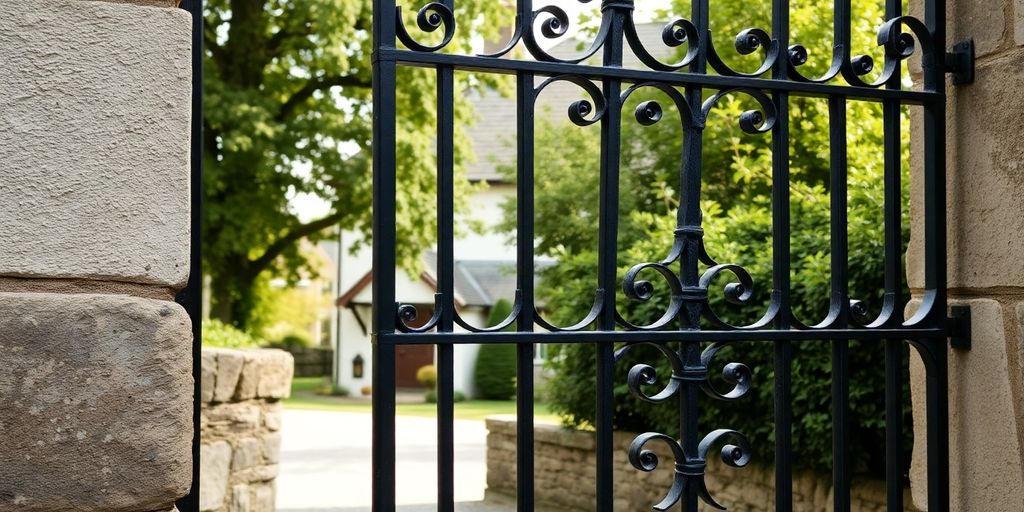
    Ornate wrought iron gate, stone pillars, Cornwall historic home.

    Researching Historical Context and Styles

    When thinking about new gates for a heritage property, it’s really important to do your homework. You can’t just pick any old design; it needs to fit with the building’s history and style. This means looking into the architectural period of your property and finding out what kind of gates were common back then. Check out old photos, local archives, and even talk to heritage experts. This research will help you make sure your new gate doesn’t look out of place.

    Selecting Appropriate Materials and Finishes

    The materials you choose for your gate are just as important as the design. You want something that looks authentic but is also durable enough to withstand the Cornish weather. Traditional materials like wrought iron and timber are often good choices, but you need to think about the finish too. For example, a glossy, modern paint job might not be suitable for a historic gate. Instead, consider using natural paints for heritage buildings that match the original colours and textures.

    Integrating Modern Security Features

    It’s all well and good having a gate that looks the part, but it also needs to do its job of keeping your property secure. The trick is to integrate modern security features without compromising the gate’s historical appearance. Here are a few ideas:

    • Concealed hinges and locks
    • Subtle lighting
    • Reinforced frames

    It’s a balancing act. You want to protect your home, but you don’t want your gate to look like it belongs on a military base. Think carefully about how you can blend security with aesthetics.

    Choosing the right gate for a heritage property is a big decision. It’s not just about picking something that looks nice; it’s about respecting the building’s history and character. By doing your research, choosing the right materials, and thinking carefully about security, you can create a gate that enhances your property for years to come.

    Choosing Gate Styles for Heritage Properties in Cornwall

    Traditional Gate Designs and Their Authenticity

    When it comes to heritage properties, selecting the right gate style is really important. It’s not just about security; it’s about respecting the building’s history and character. Opting for traditional gate styles for historic homes can really enhance the property’s appeal, but it’s important to get the details right. Think about the period of the building, the materials that would have been used originally, and the overall aesthetic you’re trying to achieve. A simple, wrought iron gate might be perfect for a Victorian property, while a wooden gate could be more appropriate for a cottage.

    Bespoke Solutions for Unique Properties

    Sometimes, off-the-shelf solutions just won’t cut it. If you have a particularly unique or unusual property, you might need to consider a bespoke gate design. This allows you to create something that perfectly complements the building’s architecture and meets your specific needs.

    • Consider the existing architectural details of your property.
    • Think about the level of security you require.
    • Work with a skilled craftsman who understands heritage building techniques.

    A bespoke design can be more expensive, but it’s often worth the investment if you want to achieve a truly authentic and sympathetic result. It’s also a great way to incorporate modern security features without compromising the gate’s historical appearance.

    Balancing Aesthetics with Functionality

    It’s all well and good having a gate that looks the part, but it also needs to be practical. Think about how you’ll use the gate on a daily basis. Will it be for pedestrian access only, or will vehicles need to pass through? Do you need it to be automated? These are all important considerations that will influence the design. You might want to consider domestic gates in Plymouth that offer both security and aesthetic appeal. Ultimately, the best gate is one that combines beauty, functionality, and respect for the property’s heritage.

    Working with Professionals for Heritage Gate Designs Cornwall

    Elegant gate on a historic Cornish property at sunset.

    The Role of Heritage Consultants

    When dealing with heritage properties, it’s easy to feel lost in a maze of regulations and historical considerations. That’s where heritage consultants come in. They are the experts who can guide you through the process, ensuring your gate design respects the property’s historical significance while meeting modern needs. They can assess the site, research its history, and advise on appropriate designs and materials. They also act as a liaison between you and the local planning authorities, helping to smooth the planning permission process. It’s a good idea to get them involved early in the project.

    Engaging Experienced Gate Manufacturers

    Finding the right gate manufacturer is just as important as having a good design. You need a company with experience in working with heritage properties and an understanding of traditional techniques. Look for manufacturers who can demonstrate a portfolio of similar projects and who are willing to work with you to create a bespoke solution. They should be able to advise on materials, construction methods, and finishes that are appropriate for your property. Don’t be afraid to ask for references and to visit their workshop to see their work firsthand.

    Collaborating with Local Planning Authorities

    Working with local planning authorities is a critical part of any heritage gate project. They are the ones who will ultimately decide whether your design is acceptable, so it’s important to get them on board early. This means understanding their requirements, being prepared to compromise, and being willing to provide detailed information about your design. A heritage consultant can be invaluable in this process, as they will have experience in dealing with the local authorities and can help you to navigate the planning system. Remember, open communication and a willingness to work together are key to a successful outcome.

    Approaching the local planning authorities with a well-researched proposal, backed by expert advice, significantly increases the chances of a smooth and positive outcome. It shows that you’re serious about preserving the heritage of your property and are committed to working within the regulations.

    Maintaining and Preserving Heritage Gates in Cornwall

    Regular Maintenance for Longevity

    Keeping your period appropriate gates Cornwall in good shape is super important if you want them to last. It’s not just about making them look nice; it’s about preventing serious problems down the line. Think of it like this: a little bit of care now can save you a whole lot of hassle (and money) later on. Regular checks can spot issues early, before they turn into major headaches.

    Here’s a simple maintenance schedule you could follow:

    • Monthly: Give the gate a quick visual inspection. Look for any signs of rust, damage, or loose parts.
    • Quarterly: Clean the gate with a soft brush and soapy water. This helps remove dirt and grime that can cause corrosion.
    • Annually: Apply a fresh coat of paint or sealant to protect the gate from the elements. Also, lubricate any moving parts to keep them working smoothly.

    Repairing and Restoring Historic Gates

    Sometimes, despite our best efforts, historic gates need a bit more than just regular maintenance. Repairing and restoring them can be tricky, especially when you’re dealing with older materials and techniques. The key is to use methods and materials that are sympathetic to the original design. This might mean sourcing reclaimed timber or using traditional blacksmithing techniques.

    It’s always a good idea to consult with a heritage specialist before undertaking any major repairs. They can offer advice on the best approach and help you ensure that the work is carried out to a high standard.

    Sustainable Practises for Heritage Preservation

    Preserving heritage isn’t just about keeping old things looking nice; it’s also about doing it in a way that’s good for the environment. Using sustainable practises is becoming increasingly important, especially when it comes to conservation area gate regulations. This could involve:

    • Using reclaimed or recycled materials whenever possible.
    • Choosing eco-friendly paints and sealants.
    • Working with local craftspeople who use traditional, sustainable techniques.
    • Minimising waste during repairs and restoration.

    By adopting these practises, we can ensure that our heritage gates continue to be enjoyed for generations to come, without harming the planet.

    Keeping Cornwall’s old gates in good shape is super important. These gates are a big part of our local history and look. If you want to learn more about how we keep these special gates looking great and working well, or if you need help with your own gates, check out our website. We’re experts in keeping all sorts of gates in top condition.

    Conclusion

    So, when it comes to gates for your listed home in Cornwall, it’s a bit of a balancing act. You want something that looks good and does its job, but you also need to respect the history of the place. It’s not always easy, but getting it right means your home keeps its special character for years to come. Just remember to do your homework and talk to the right people, and you’ll be fine.

    A real estate broker in Cornwall knows how crucial it is to balance charm and compliance when dealing with heritage homes. Listed-building friendly gate designs allow homeowners to protect their property while respecting historical guidelines. These gates blend traditional craftsmanship with discreet modern features, ensuring security without compromising authenticity—a key factor in preserving both the home’s value and its character.

    Frequently Asked Questions

    What exactly is a listed building?

    A listed building is a special kind of property in the UK that is important because of its history or how it was built. These buildings are protected by law to make sure they stay special for future generations. There are three grades: Grade I (super important), Grade II* (very important), and Grade II (important).

    What’s a conservation area?

    A conservation area is a place that has a special look or history. The local council makes rules for these areas to make sure any new changes, like building new gates, fit in with the old style and don’t spoil the area’s charm.

    Do I need special permission to change my gate if my home is listed or in a conservation area?

    Yes, usually. If your house is listed or in a conservation area, you’ll probably need to ask the local council for permission before you can change your gate. This is to make sure the new gate matches the old style of your home and the area.

    What happens if I change my gate without permission?

    If you change your gate without getting permission first, you could face big problems. The council might make you change it back, or you could even get a fine. It’s always best to check with them first to avoid any trouble.

    What kind of gate designs are best for old homes in Cornwall?

    When picking a new gate, think about what the old gates in your area looked like. Try to choose materials like wood or iron that were used a long time ago. You can also add modern security features, but make sure they don’t stick out too much.

    Who can help me with my heritage gate project?

    It’s a good idea to work with people who know a lot about old buildings, like heritage experts or gate makers who have worked on similar projects. They can help you pick the right design and make sure you follow all the rules.

  • Round‑the‑Corner Sliding Gates in Cornwall: Solving Tight‑Driveway Headaches

    Round‑the‑Corner Sliding Gates in Cornwall: Solving Tight‑Driveway Headaches

    Dealing with a tight driveway can be a real headache, especially in places like Cornwall where space often comes at a premium. Those narrow lanes and tricky parking spots can make even simple tasks a bit of a challenge. But what if there was a clever way to make things easier? That’s where round the corner gates Cornwall come in. These gates are a smart answer for homes with limited room, letting you get your car in and out without all the fuss. They’re designed to slide neatly around a corner, making the most of every bit of space you’ve got.

    Key Takeaways

    • Round the corner gates are a practical solution for tight driveways in Cornwall.
    • They help maximise limited space and handle awkward angles.
    • These gates can be customised to fit any home style and boost its look.
    • Professional installation ensures they work perfectly and last a long time.
    • Automated options add convenience and better security for your property.

    Understanding Round The Corner Gates Cornwall

    What Are Round The Corner Gates?

    Round the corner gates, sometimes called curved sliding gates, are a clever alternative to traditional swing or sliding gates. Instead of opening straight outwards or sliding in a straight line, these gates follow the curve of your driveway. This makes them ideal for properties where space is at a premium. They operate using a track system that allows the gate to bend around corners, offering a unique solution for challenging layouts.

    Benefits For Tight Driveways

    For many Cornish homes, driveways can be a real headache. Narrow entrances, awkward angles, and limited space are common issues. Round the corner gates provide a practical solution by:

    • Maximising usable space on your property.
    • Eliminating the swing arc of traditional gates.
    • Allowing for a wider entrance in a confined area.

    These gates are particularly useful where a standard gate would obstruct pedestrian access or take up valuable parking space. They offer a neat and efficient way to secure your property without compromising on convenience.

    Space-Saving Solutions For Cornish Homes

    Cornwall’s unique landscape often presents challenges when it comes to property design. Many homes have limited space due to the coastal terrain and historical building layouts. Security fencing services offer a way to overcome these constraints by providing a bespoke solution that fits the specific needs of your property. Here’s how space-saving gates Cornwall can help:

    • They can be custom-built to fit any curve or angle.
    • They are ideal for properties with short driveways.
    • They can be automated for ease of use.

    Round the corner gates are a great option for Cornish homeowners looking to make the most of their limited space.

    Overcoming Driveway Challenges In Cornwall

    Navigating Narrow Access Points

    Cornwall’s charm often comes with a price: narrow, winding lanes and tricky access points. For many homeowners, this presents a real headache when it comes to driveway gates. Standard gates simply won’t do. Round the corner gates, however, offer a clever solution. They slide around corners, hugging the boundary walls, and making the most of every inch available. It’s about finding a gate that works with the space, not against it.

    Maximising Limited Space

    Space is a premium, especially in older Cornish properties. Round the corner gates excel at maximising limited space. Unlike traditional swing gates that require a large turning circle, these gates slide neatly to the side, freeing up valuable driveway area. This means more room for parking, turning, or even just breathing space. It’s a practical solution that doesn’t compromise on security or style.

    Here’s a quick comparison:

    Gate Type Space Required Advantages
    Swing Gate High Traditional look, simpler mechanism
    Round Corner Gate Low Space-saving, ideal for awkward driveways

    Solving Awkward Angles

    Many Cornish driveways aren’t just narrow; they’re also plagued by awkward angles. This can make installing a standard gate a logistical nightmare. Round the corner gates are designed to navigate these challenges. Their ability to follow the contours of the driveway means they can fit seamlessly into even the most unconventional spaces. For a successful driveway gate installation Cornwall, consider the unique shape of your property.

    Dealing with an oddly shaped driveway can feel like a constant battle. But with a round the corner gate, you’re essentially tailoring the gate to fit the space, rather than trying to force the space to fit the gate. It’s a much more elegant and effective approach.

    Design And Aesthetics Of Round The Corner Gates

    Seamless Integration With Property Styles

    When you’re thinking about getting a new gate, it’s not just about security; it’s also about how it looks. Round the corner gates can be made to fit in with pretty much any style of house, from a modern build to a traditional cottage. It’s all about choosing the right materials and finishes. You wouldn’t want a super modern gate clashing with a period property, would you?

    Customisation Options For Every Home

    One of the best things about these gates is that they can be custom-made. This means you can pick everything from the colour and the material to the handles and any extra bits and bobs. Here are some popular options:

    • Different types of wood, like oak or cedar.
    • Metal finishes, such as powder-coated steel.
    • A range of colours to match your house.

    Getting a gate that’s made just for you means it’ll not only work well but also look great and add to the overall feel of your home. It’s a chance to really put your stamp on things.

    Enhancing Kerb Appeal In Cornwall

    First impressions matter, right? A well-designed gate can seriously boost your home’s kerb appeal. Think about it: a smart, stylish gate says a lot about your property. It can make your house look more inviting and even add value. Plus, in a place like Cornwall, where looks are everything, having a gate that fits in with the local style is a big win. If you’re looking for space-saving solutions, these gates are a great option.

    Installation Expertise For Cornish Properties

    Precision Fitting For Optimal Performance

    Getting a round the corner gate installed properly is absolutely key to how well it works and how long it lasts. It’s not just about slapping it in place; it’s about making sure every single component is aligned and working perfectly. If the gate isn’t fitted with precision, you’ll end up with problems like sticking, uneven movement, and premature wear and tear. Think of it like a finely tuned engine – every part needs to be in sync.

    Experienced Installers In Cornwall

    Finding the right people to install your gate is just as important as the gate itself. You want installers who know Cornwall, who understand the local weather conditions, and who have a proven track record. It’s worth doing your research and checking reviews. A good installer will be able to advise you on the best location for the motor, how to protect it from the elements, and how to integrate it with your existing security system. They’ll also be able to spot potential problems before they arise. For example, they can help you choose the right vertical gates for your property.

    Minimising Disruption During Installation

    No one wants their life turned upside down during an installation. A good installation team will work efficiently and respectfully, keeping disruption to a minimum. This means:

    • Arriving on time and sticking to the agreed schedule.
    • Keeping the work area clean and tidy.
    • Communicating clearly about progress and any potential issues.
    • Protecting your property from damage.
    • Disposing of waste responsibly.

    A smooth installation process is all about planning and communication. Before work begins, make sure you have a clear understanding of what to expect, how long it will take, and what you need to do to prepare. Don’t be afraid to ask questions and raise any concerns you may have. The best installers will be happy to address them and put your mind at ease.

    Automated Round The Corner Gates Cornwall

    Convenience Of Remote Operation

    Imagine arriving home on a dark, rainy Cornish evening and not having to get out of your car to open your gate. That’s the beauty of automated corner sliding gates UK. With remote operation, you can open and close your gate with the touch of a button from the comfort of your vehicle. This is especially useful in Cornwall, where the weather can be unpredictable. It also adds a layer of convenience for those with mobility issues or simply a lot to carry.

    Enhanced Security Features

    Automated gates aren’t just about convenience; they also significantly boost your home’s security.

    • Controlled Access: Only authorised users can enter your property.
    • Intrusion Detection: Many systems can be integrated with alarms.
    • Visual Deterrent: A closed, automated gate is a clear signal to potential intruders.

    An automated gate acts as a strong visual and physical barrier, deterring unwanted visitors and providing peace of mind.

    Integration With Smart Home Systems

    Want to take your home automation to the next level? Automated round the corner gates can be integrated with your existing smart home systems. This means you can control your gate using your smartphone, set schedules for opening and closing, and even receive notifications when the gate is used. It’s all about making your life easier and more secure. I mean, who wouldn’t want to open their gate with a voice command?

    Durability And Longevity In Coastal Climates

    Cornwall’s coastal climate presents unique challenges for any outdoor installation, and round the corner sliding gates are no exception. The combination of salt spray, strong winds, and frequent rainfall can take a toll on materials not designed to withstand such conditions. That’s why choosing the right materials and construction techniques is absolutely vital for ensuring your gate lasts for years to come.

    Weather-Resistant Materials

    When it comes to coastal installations, material selection is paramount. Galvanised steel is a popular choice for the gate frame, offering good protection against rust. However, for even greater durability, stainless steel is an excellent option, albeit at a higher cost. For the gate cladding, consider using treated timber, composite materials, or powder-coated aluminium. These materials are less susceptible to rot, corrosion, and fading caused by the elements. It’s also worth looking at security fencing options for added protection.

    Protection Against Salt And Wind

    Salt spray is a major concern in coastal areas, as it can accelerate corrosion. To combat this, it’s important to choose materials with a protective coating or finish. Powder coating, for example, provides a durable barrier against salt and moisture. Regular cleaning is also essential to remove salt deposits and prevent them from building up. Strong winds can also put a strain on the gate mechanism, so it’s important to ensure that the gate is properly supported and that the track is securely anchored. Reinforced hinges and a robust locking system can help to prevent damage from high winds.

    Low Maintenance For Busy Homeowners

    Let’s be honest, nobody wants to spend all their free time maintaining their gate. That’s why it’s important to choose a system that requires minimal upkeep. Here are a few tips to keep your gate in good condition:

    • Regularly wash the gate with fresh water to remove salt and dirt.
    • Inspect the gate mechanism for signs of wear and tear.
    • Lubricate moving parts to ensure smooth operation.
    • Apply a protective coating to timber surfaces to prevent rot.

    By choosing the right materials and following a few simple maintenance tips, you can ensure that your round the corner sliding gate stands the test of time, even in Cornwall’s challenging coastal climate. This proactive approach not only preserves the gate’s functionality but also protects your investment, ensuring long-term satisfaction and security for your property.

    Safety Features Of Modern Gate Systems

    Obstacle Detection Technology

    Modern automatic gates for small spaces are equipped with sophisticated obstacle detection systems. These systems use sensors to detect obstructions in the gate’s path. If an obstacle is detected, the gate will automatically stop or reverse, preventing potential accidents or damage. This is especially important in residential settings where children or pets may be present. These systems significantly reduce the risk of injury or property damage.

    Secure Locking Mechanisms

    Security is a top priority for any gate system. Modern round the corner gates incorporate advanced locking mechanisms to prevent unauthorised access. These can include:

    • Multi-point locking systems
    • Electric locks
    • Keypad entry systems
    • Remote control access

    These features provide a high level of security, protecting your property and loved ones. The locking mechanisms are designed to be robust and resistant to forced entry, giving you peace of mind.

    Compliance With Safety Standards

    All gate installations must adhere to strict safety standards. These standards cover various aspects of gate design, installation, and operation. Compliance with these standards ensures that the gate system is safe and reliable.

    It’s important to choose a supplier and installer who are fully aware of and compliant with all relevant safety regulations. This will help to ensure that your gate system is installed correctly and operates safely for years to come. Always ask for proof of compliance and certification before proceeding with an installation. commercial sliding gates are a great option for safety.

    Choosing The Right Supplier In Cornwall

    Sliding gate on a tight driveway in Cornwall.

    Finding the right company for your round the corner sliding gate is a big deal. You want someone reliable, with a good track record, and who understands the specific challenges of Cornish properties. It’s not just about getting a gate; it’s about getting a solution that lasts.

    Local Knowledge And Expertise

    When it comes to round the corner gates, local knowledge is super important. A supplier based in Cornwall will understand the area’s unique challenges, like the weather and the types of properties common here. They’ll be familiar with planning regulations and any specific requirements for installing gates in the region. This local insight can save you time and money in the long run.

    Reputation For Quality Craftsmanship

    You want a supplier known for doing good work. Check online reviews, ask for references, and see if they have a portfolio of past projects you can look at. A company with a solid reputation is more likely to deliver a gate that’s well-made, reliable, and looks great. Don’t be afraid to ask questions about their materials, manufacturing processes, and installation techniques.

    Comprehensive Aftercare Services

    Getting the gate installed is just the beginning. You also want a supplier who offers good aftercare services. This includes things like maintenance, repairs, and support if you have any problems down the line. A company that stands behind its products and provides ongoing support is worth its weight in gold.

    It’s worth remembering that a cheaper quote isn’t always the best option. Consider the long-term value and the potential cost of repairs or replacements if you go with a less reputable supplier. Investing in quality and aftercare can save you headaches in the future.

    Cost Considerations For Round The Corner Gates

    Sliding gate curving around a corner

    Factors Influencing Gate Pricing

    Several things affect how much a round the corner gate will set you back. The size of the gate is a big one – naturally, a larger gate needs more materials and takes longer to install. The materials you choose also play a significant role; steel will cost different than aluminium or timber. Automation features, like remote controls and smart home integration, will add to the price too. Finally, the complexity of the installation itself can influence the cost. Tricky driveways or unusual angles might require more work and specialist skills, impacting the final bill. It’s worth getting a few quotes to compare and see what’s included in each one.

    Long-Term Value And Investment

    While the initial cost of a round the corner gate might seem high, it’s important to think about the long-term value. These gates are built to last, especially with the right materials and installation. They can add security and convenience to your property, potentially increasing its value. Plus, the space-saving design can be a real asset, especially if you have a tight driveway. Think of it as an investment in your home’s functionality and kerb appeal. Regular maintenance will help keep it in top condition and avoid costly repairs down the line. You can also explore domestic gate options to see if they fit your budget.

    Tailored Solutions To Suit Budgets

    It’s good to know that there are ways to tailor your round the corner gate to fit your budget. You don’t always have to go for all the bells and whistles. Consider opting for simpler designs or materials to keep costs down. For example, you might choose a manual gate instead of an automated one, or select a more affordable type of wood. Phoning around and getting quotes from different suppliers is a good idea, and don’t be afraid to discuss your budget with them. They might be able to suggest alternative solutions or payment plans to make it more manageable. Remember, the goal is to find a sliding gate solutions tight driveways that meets your needs without breaking the bank.

    Getting a round the corner gate is a big decision, so it’s worth doing your homework and exploring all the options. Think about what’s most important to you – whether it’s security, convenience, or aesthetics – and find a solution that ticks all the boxes. Don’t be afraid to ask questions and get expert advice to make sure you’re making the right choice for your home.

    Maintenance Tips For Optimal Performance

    Routine Checks And Adjustments

    Keeping your round the corner gate in tip-top shape doesn’t have to be a massive chore. Regular checks can save you a lot of hassle down the line. I usually set aside a little time each month to give mine a once-over.

    • Check for any loose bolts or screws – a quick tighten can prevent bigger problems.
    • Look for signs of wear and tear on moving parts, like hinges and rollers.
    • Make sure the gate is moving smoothly along its track. Any sticking points? Time to investigate.

    Cleaning And Care For Gate Surfaces

    Living in Cornwall, our gates face a fair bit of weather. Salt spray and wind can take their toll, so regular cleaning is a must. I’ve found a simple wash down makes a big difference.

    • Use a mild detergent and warm water to clean the gate surfaces.
    • Rinse thoroughly to remove any soap residue.
    • For stubborn stains, a soft brush can help.

    I’ve learned that a little bit of elbow grease goes a long way. Keeping the gate clean not only makes it look better but also helps prevent corrosion and other damage.

    Professional Servicing Recommendations

    While DIY maintenance is great, there are some things best left to the pros. Think of it like your car – you can top up the fluids, but you still need a proper service now and then. Consider Westcountry Group for gate safety.

    • Schedule a professional service at least once a year.
    • A qualified technician can check the motor, safety features, and overall operation.
    • They can also identify and fix any potential issues before they become major headaches.
    Service Item Frequency Notes
    Visual Inspection Monthly Check for loose parts, rust, and damage.
    Cleaning Quarterly Wash down with mild detergent.
    Lubrication Annually Grease hinges and rollers.
    Professional Service Annually Full check of motor, safety features, and structural integrity.

    To keep your gates working perfectly, regular check-ups are key. This helps them last longer and stay safe. For more details on how we can help, visit our website and learn about our servicing options.

    Conclusion

    So, there you have it. Round-the-corner sliding gates really do make a difference, especially in places like Cornwall where space is often a bit tight. They’re not just about looking good; they actually solve a real problem, making life easier for folks with tricky driveways. If you’ve been struggling with a small entrance, these gates might just be the answer you’ve been looking for. It’s all about finding smart ways to make our homes work better for us, isn’t it?

    Frequently Asked Questions

    What exactly are round-the-corner gates?

    Round-the-corner sliding gates are a clever choice for homes with limited space. Instead of swinging open, they glide along a track, curving neatly around a corner. This design means they don’t need a lot of room to open, unlike traditional gates.

    How do these gates help with small driveways?

    These gates are ideal for tight driveways because they don’t swing outwards or inwards. This saves a lot of space, making them perfect for properties where a regular gate would block access or take up too much precious room.

    Can I choose the style and look of my gate?

    Yes, absolutely! You can pick from many styles, materials, and colours to match your home’s look. Whether you like a classic or modern design, these gates can be customised to fit right in and even boost your home’s kerb appeal.

    Is professional installation really necessary?

    Professional installation is key for these gates to work properly and last a long time. Experts make sure the gate fits perfectly and runs smoothly, which prevents problems down the line. They also work quickly to cause as little fuss as possible.

    Can these gates be opened automatically?

    Many round-the-corner gates can be automated. This means you can open and close them with a remote control, which is super convenient, especially in bad weather. Automation also adds extra security and can even connect to your smart home system.

    Are these gates strong enough for coastal weather?

    Yes, they are built to last, even in Cornwall’s coastal weather. They use strong, weather-proof materials that can stand up to salt and wind. Plus, they don’t need much looking after, which is great for busy homeowners.

    What safety features do these gates have?

    Modern gates come with important safety features. These include sensors that stop the gate if something is in its way, and strong locks to keep your property safe. They also meet all the important safety rules.

    How do I pick the best supplier in Cornwall?

    When picking a supplier, look for one that knows Cornwall well. They should have a good reputation for doing quality work and offer full support after the gate is installed. This ensures you get a great gate and good service.

  • Essential Maintenance Tips for Gates in Devon’s Coastal Climate

    Essential Maintenance Tips for Gates in Devon’s Coastal Climate

    Living by the coast in Devon is pretty nice, isn’t it? Beautiful views, fresh air, all that good stuff. But it’s not always easy on our outdoor things, especially gates. That salty air and damp weather can really do a number on them. If you’ve got a gate, you know it’s a big part of your home – it keeps things secure and looks good too. So, keeping it in top shape is a smart move. This guide is all about helping you do just that, focusing on coastal gate maintenance Devon style.

    Key Takeaways

    • Keep your gate clean. Get rid of dirt and stuff that builds up. This helps stop rot or rust.
    • Check your gate often. Look at hinges, locks, and the frame at least twice a year. Once before winter, and again after it.
    • Treat your gate to protect it. For wood, put on new stains or varnish to keep out water and stop pests. For metal, check for rust early. Fix any scratches or paint chips to stop more rust.
    • Make sure moving parts are greased. Keep hinges and locks well-oiled so they don’t squeak or get stuck.
    • Cut back plants around your gate. If you have trees or bushes nearby, trim them. This stops branches from hitting the gate or debris falling on it.

    Understanding Coastal Gate Maintenance Devon

    The Impact of Devon’s Coastal Climate

    Living by the sea is great, but it’s tough on everything, especially your gates. The salty air, strong winds, and damp conditions can really take their toll. It’s not just about the pretty view; it’s about how quickly the weather can degrade materials. Think rust on metal, rot in wood, and general wear and tear happening way faster than inland. This means you need to be extra vigilant with your gate maintenance.

    Why Regular Upkeep is Crucial

    Skipping maintenance? You’re basically asking for trouble. Regular upkeep isn’t just about keeping your gate looking nice; it’s about preventing bigger, more expensive problems down the line. Think of it like this: a little bit of effort now can save you a whole lot of money and hassle later. Plus, a well-maintained gate adds to your property’s value and kerb appeal. It’s a win-win.

    Protecting Your Investment

    Your gate is an investment, and like any investment, it needs protecting. This means taking proactive steps to shield it from the elements. Whether it’s applying protective coatings, fixing small issues before they become big ones, or simply keeping it clean, these actions will extend the life of your gate and ensure it continues to function properly. Think of it as coastal gate care UK.

    Living near the Devon coast means your gate faces unique challenges. Salty air, strong winds, and frequent rain can accelerate wear and tear. Regular maintenance is key to preventing costly repairs and ensuring your gate lasts for years to come. Addressing issues early can save you time, money, and stress in the long run.

    Essential Cleaning Regimes for Gates

    Keeping your gate clean isn’t just about appearances; it’s a key part of making sure it lasts. Devon’s coastal air can be tough on gates, so a good cleaning routine is essential. Let’s break down how to keep your gate in top shape.

    Removing Dirt and Debris

    First things first, get rid of any loose dirt, leaves, or cobwebs. A simple brush or hose down can do the trick. For tougher grime, use a soft brush and some soapy water. Pay special attention to hinges and any areas where debris tends to collect. This prevents buildup that can lead to problems down the line. Think of it like giving your gate a regular spa day – it’ll thank you for it!

    Preventing Buildup and Corrosion

    Once you’ve cleaned the gate, think about preventing future buildup. For metal gates, consider applying a protective wax coating. For wooden gates, a fresh coat of stain or varnish can work wonders. Regular cleaning also helps you spot potential issues early, like small rust spots or areas where the finish is wearing thin. Addressing these problems early can save you a lot of hassle and money in the long run. If you’re considering aluminium gates, remember they also benefit from regular cleaning to maintain their appearance.

    Gentle Cleaning for Longevity

    When cleaning your gate, always use gentle products. Harsh chemicals can damage the finish and actually speed up corrosion. A mild detergent and warm water are usually all you need. Avoid using abrasive scrubbers or pressure washers, as these can scratch or damage the surface. Remember, the goal is to clean the gate, not strip it bare. A little bit of care goes a long way in extending the life of your gate.

    Regular cleaning is more than just a chore; it’s an investment in the longevity of your gate. By taking the time to clean your gate properly, you’re protecting it from the harsh coastal elements and ensuring it continues to function smoothly for years to come.

    Here’s a simple cleaning schedule to follow:

    • Weekly: Remove loose debris with a brush.
    • Monthly: Wash the gate with mild detergent and water.
    • Twice a year: Apply protective coatings (wax, stain, or varnish).

    Seasonal Inspections for Optimal Performance

    Pre-Winter Checks for Durability

    Right, so before winter really hits Devon, it’s worth giving your gate a good once-over. Think of it as prepping for a storm. Check for any signs of damage that the summer might have caused – cracks in the wood, rust spots on metal, that sort of thing. It’s easier to fix small problems now than deal with a gate that’s half-falling apart in January. Make sure the gate can still open and close properly, and that the latch is working.

    Post-Winter Assessments for Damage

    Once winter’s done its worst, get out there and have another look. Winter weather can be brutal, especially by the coast. Salt spray, strong winds, and freezing temperatures can all take their toll. Look for:

    • New cracks or splits in wooden gates.
    • Increased rust or corrosion on metal gates.
    • Damage to hinges, latches, and other moving parts.
    • Any signs of warping or distortion.

    It’s easy to forget about your gate during the colder months, but a quick check in spring can save you a lot of hassle later on. Addressing any winter damage promptly will help prevent it from getting worse over time.

    Routine Examination of Components

    Beyond the seasonal checks, try to get into the habit of giving your gate a quick look every few weeks. It doesn’t need to be a full inspection, just a quick scan to spot anything obvious. Pay attention to:

    • Hinges: Are they still secure and moving freely?
    • Latches: Are they engaging properly?
    • Posts: Are they still firmly in the ground?
    • Any signs of wear and tear: Catching these early can prevent bigger issues down the line.

    Protective Treatments for Wooden Gates

    Reapplying Stains and Varnishes

    Wooden gates, especially in Devon’s coastal climate, need regular treatment to keep them in good nick. Reapplying stains and varnishes is a key part of this. It’s not just about making them look nice; it’s about protecting the wood from the elements. Think of it like sunscreen for your gate. I usually try to do this every year, especially before winter hits. It’s a bit of a pain, but it really does make a difference. I’ve found that a good quality stain not only protects against moisture but also helps to prevent the wood from fading in the sun.

    Safeguarding Against Moisture

    Moisture is the enemy of wooden gates, especially with all the rain we get. Water can seep into the wood, causing it to rot and warp. I’ve seen it happen to a neighbour’s gate, and it wasn’t pretty. Besides staining and varnishing, there are other things you can do to keep moisture at bay. For example, make sure the gate is properly sealed, especially around any joints or edges. You can also use a water repellent treatment to give it an extra layer of protection. I tend to go overboard with this, but I’d rather be safe than sorry.

    Pest Prevention for Timber

    It’s not just the weather you need to worry about; pests can also cause havoc on wooden gates. Woodworm and other insects can burrow into the timber, weakening it from the inside out. I had a bit of a scare with this last year when I noticed some small holes in my gate. Luckily, I caught it early and was able to treat it with a wood preservative. Now, I make sure to inspect my gate regularly for any signs of infestation.

    I’ve learned that prevention is better than cure when it comes to wooden gates. Taking the time to apply protective treatments and keep an eye out for problems can save you a lot of hassle and money in the long run. It’s all about being proactive and giving your gate the care it needs to withstand the coastal climate.

    Corrosion Control for Metal Gates

    Close-up of rusty metal gate hinge with sea behind.

    Early Detection of Rust

    Spotting rust early is key to preventing bigger problems down the line. Keep an eye out for small patches of orange or brown on the gate’s surface. It’s much easier to deal with a bit of surface rust than a gate that’s corroded all the way through. Check areas that are prone to trapping moisture, like joints and around hinges. I usually give my gate a once-over every couple of weeks, just to be safe.

    Touching Up Scratched Paintwork

    Scratches are like open wounds for metal. If the paint gets chipped or scratched, the metal underneath is exposed to the elements, and that’s when rust starts. I had a small scratch on my gate last year, and I ignored it for a while. Big mistake! It quickly turned into a rusty patch. Now, I keep a small tin of matching paint handy and touch up any scratches as soon as I see them. It’s a quick job that can save you a lot of hassle in the long run.

    Maintaining Powder Coatings

    Powder coating is a great way to protect metal gates, but it’s not indestructible. Over time, the coating can get damaged by the sun, salt, and general wear and tear.

    Here’s what I do to keep my powder-coated gate in good shape:

    • Wash it regularly with mild soap and water.
    • Avoid using harsh chemicals or abrasive cleaners.
    • Inspect the coating for any chips or cracks.
    • If you find any damage, get it repaired as soon as possible.

    Living near the coast means my gate gets a constant battering from salty air. I’ve found that applying a protective wax coating every few months helps to keep the powder coating in good condition and prevents rust from forming. It’s a bit of extra work, but it’s worth it for the peace of mind.

    Lubricating Moving Parts for Smooth Operation

    Close-up of hand lubricating coastal gate hinge.

    It’s easy to overlook the importance of keeping your gate’s moving parts well-oiled, but it’s a simple task that can make a huge difference to its lifespan and ease of use. Think of it like this: a little bit of lubricant now can save you a lot of hassle (and money) later on. Regular lubrication prevents friction, reduces wear and tear, and ensures your gate operates smoothly, quietly, and reliably.

    Addressing Squeaking Hinges

    Is there anything more annoying than a gate that squeaks every time it’s opened or closed? That grating sound is a clear sign that the hinges need some attention. The good news is that it’s usually a quick fix. A few squirts of the right lubricant can silence those squeaks and restore peace and quiet. Don’t just reach for any old oil, though. A penetrating lubricant is best, as it can work its way into the tight spaces within the hinge. Apply liberally, work the gate back and forth, and wipe away any excess. If the squeak persists, you might need to remove the hinge and give it a more thorough clean before re-lubricating. For vertical gates, this is especially important due to their unique stress points.

    Preventing Locking Mechanism Jams

    A jammed locking mechanism is more than just an inconvenience; it can be a security risk. If you’re struggling to lock or unlock your gate, it’s time to take action. Start by cleaning the mechanism with a wire brush to remove any dirt or debris. Then, apply a dry lubricant, such as graphite powder or a PTFE spray. These lubricants won’t attract dust and grime like oil-based products, which can actually make the problem worse in the long run. Work the key in and out of the lock several times to distribute the lubricant evenly. If the jam persists, consider disassembling the mechanism for a more thorough clean and lubrication. If you’re not comfortable doing this yourself, it’s best to call in a professional.

    Choosing the Right Lubricants

    Not all lubricants are created equal. Using the wrong product can do more harm than good. For hinges and other moving parts, a penetrating oil or a lithium-based grease is a good choice. These lubricants are designed to reduce friction and protect against corrosion. For locking mechanisms, a dry lubricant like graphite powder or a PTFE spray is preferable, as it won’t attract dust and grime. Avoid using WD-40 as a long-term solution, as it can dry out and leave a sticky residue. Always read the manufacturer’s instructions before applying any lubricant, and be sure to wipe away any excess to prevent it from attracting dirt. Regular maintenance with the correct products will keep your gate functioning perfectly.

    It’s worth keeping a small toolkit with the right lubricants and cleaning supplies near your gate. That way, you can quickly address any issues as they arise, before they turn into bigger problems. A little bit of preventative maintenance can save you a lot of time, money, and hassle in the long run.

    Managing Surrounding Vegetation

    It’s easy to overlook the impact of plants around your gate, but unchecked growth can cause serious problems. From scratches to complete obstruction, vegetation needs managing to keep your gate in top condition.

    Pruning Overhanging Branches

    Overhanging branches are a common issue, especially after storms. They can scratch paintwork, damage wooden gates, and even obstruct the gate’s movement. Regular pruning prevents this, ensuring the gate swings freely and avoids unnecessary wear and tear. It’s also worth checking for any dead or weak branches that could fall and cause damage.

    Clearing Debris Around Gates

    Fallen leaves, twigs, and other debris can accumulate around the base of your gate, trapping moisture and encouraging corrosion or rot. Regularly clearing this debris is a simple but effective way to protect your gate. Make sure to clear the area around the gate posts too, as this is where moisture can easily build up.

    Preventing Physical Damage

    Vegetation doesn’t just cause gradual wear and tear; it can also lead to sudden damage. Strong winds can cause branches to whip against the gate, and invasive roots can undermine the gate posts.

    Consider creating a buffer zone around your gate by removing any plants that are likely to cause problems. This might involve cutting back shrubs, removing climbing plants, or even relocating trees that are too close. This proactive approach can save you a lot of hassle and expense in the long run. Also, if you are installing electric gates in a rural area, make sure to consider the placement of the control box and wiring to avoid root damage.

    Professional Servicing for Automated Gates

    Automated gates are a fantastic convenience, but they’re also complex pieces of machinery. Like any machine, they need regular attention to keep working properly, especially in a coastal environment like Devon. Ignoring this can lead to bigger, more expensive problems down the line.

    Scheduled Check-ups for Automation

    Think of it like your car – you wouldn’t skip its annual service, would you? Automated gates need the same level of care. Regular check-ups can spot potential issues before they become major headaches. This might include checking the motor, control panel, and safety sensors. It’s about preventative maintenance, ensuring everything is running as it should.

    Ensuring Smooth Mechanical Operation

    It’s not just about the electrics; the mechanical side of things needs looking after too. Hinges, arms, and other moving parts need to be in good condition to avoid strain on the motor. A professional service will include lubrication and adjustments to keep everything moving smoothly.

    Expert Maintenance for Complex Systems

    Automated gates aren’t simple DIY projects. They involve electrics, mechanics, and safety features, all working together. A qualified engineer has the knowledge and tools to diagnose and fix problems safely and effectively. Trying to fix it yourself could end up causing more damage, or even be dangerous. Consider gate safety as a priority.

    It’s easy to overlook the importance of professional servicing, especially if your gate seems to be working fine. However, regular maintenance is an investment that will save you money and hassle in the long run. It’s about keeping your gate reliable and safe for years to come.

    Here’s a simple schedule to consider:

    • Monthly: Visual inspection for obvious damage or wear.
    • Every 6 Months: Lubricate moving parts.
    • Annually: Professional service and safety check.

    Addressing Rust on Metal Gates

    Cleaning with Mild Detergents

    When you spot rust on your metal gate, don’t panic! Often, a simple solution is the best place to start. Begin by mixing a mild detergent with warm water. Use a soft brush or cloth to gently scrub the affected areas. Avoid abrasive cleaners as these can scratch the surface and make the problem worse in the long run. Rinse thoroughly with clean water after scrubbing. This method is great for removing surface rust and preparing the area for further treatment.

    Hosing Down Dirt Buildup

    Regularly hosing down your metal gate can prevent rust from even starting. Devon’s coastal air carries a lot of salt, which accelerates corrosion. Hosing removes this salt buildup, along with dirt and grime, before it has a chance to cause problems. Pay special attention to hinges, latches, and any areas where water tends to collect. A simple rinse every few weeks can make a big difference.

    Applying Protective Wax Coatings

    After cleaning and drying your metal gate, consider applying a protective wax coating. This creates a barrier against moisture and salt, helping to prevent future rust. Car wax works well, but there are also specialist metal waxes available. Apply a thin, even layer with a soft cloth, and buff to a shine. Reapply every few months, or as needed, to maintain the protection. This is a simple step that can significantly extend the life of your metal gate.

    Living by the coast means dealing with salty air, which can really do a number on metal. I’ve found that regularly cleaning my gate and applying a wax coating makes a huge difference. It’s a bit of effort, but it’s worth it to keep the rust at bay.

    Here’s a quick guide to rust prevention:

    • Clean regularly with mild detergent.
    • Hose down to remove salt buildup.
    • Apply protective wax coatings.

    Enhancing Gate Lifespan in Coastal Devon

    Material-Specific Care

    Different gate materials react differently to the coastal environment. For instance, wooden gates need regular treatment to prevent rot and decay, while metal gates require protection against rust. Understanding the specific needs of your gate’s material is the first step in extending its lifespan. It’s not just about slapping on any old product; it’s about using the right stuff for the job. For example, domestic gates need different care than commercial ones.

    Preventative Measures for Longevity

    Taking proactive steps can significantly increase the lifespan of your gate. This includes:

    • Regular cleaning to remove salt and debris.
    • Applying protective coatings to prevent corrosion.
    • Promptly repairing any damage, no matter how small.
    • Ensuring proper drainage to avoid water accumulation.

    Ignoring minor issues can lead to bigger, more expensive problems down the line. A little bit of maintenance now can save you a lot of hassle later.

    Adapting to Salty Air Conditions

    The salty air in Devon’s coastal regions is particularly harsh on gates. Salt accelerates corrosion and can damage wood over time. To combat this, consider these strategies:

    1. Choose materials that are naturally resistant to salt, such as certain types of treated wood or marine-grade metals.
    2. Apply protective barriers, like waxes, to metal surfaces.
    3. Routinely wash down your gate with fresh water to remove salt deposits.

    By adapting your maintenance routine to address the specific challenges of the coastal environment, you can ensure that your gate remains in good condition for years to come.

    Choosing Durable Gates for Devon’s Coast

    Devon’s coastal climate can be brutal on gates. The salty air, strong winds, and frequent rain all contribute to wear and tear. Choosing the right gate material and design is essential for longevity. Let’s explore some options to ensure your gate stands the test of time.

    Selecting Weather-Resistant Materials

    When it comes to weatherproof gates Devon, material choice is paramount. Here’s a quick rundown:

    • Treated Timber: Look for timber that’s been pressure-treated to resist rot and insect damage. Regular maintenance is still needed, but it’ll significantly extend the gate’s life.
    • Galvanised Steel: Galvanising provides a protective zinc coating that prevents rust. Powder coating adds an extra layer of defence and aesthetic appeal.
    • Aluminium: A lightweight and naturally corrosion-resistant option. Aluminium gates are a good choice for automated systems due to their lighter weight.

    Considering Coastal-Specific Designs

    The design of your gate can also impact its durability. Solid gates offer more privacy but can act like sails in strong winds, potentially damaging hinges and posts. Consider these design elements:

    • Open Designs: Gates with gaps or slats allow wind to pass through, reducing stress on the structure.
    • Reinforced Frames: A sturdy frame is crucial for withstanding coastal conditions. Ensure the frame is properly braced and joined.
    • Heavy-Duty Hinges: Invest in high-quality hinges that can handle the weight of the gate and the force of the wind.

    Investing in Quality for Durability

    While it might be tempting to save money upfront, investing in a quality gate will pay off in the long run. Cheaper materials and construction methods are more likely to fail under the harsh conditions of the Devon coast. Consider these points:

    • Professional Installation: Proper installation is just as important as the gate itself. A poorly installed gate is more susceptible to damage.
    • Regular Maintenance: No matter how durable your gate is, regular maintenance is essential. This includes cleaning, lubricating moving parts, and reapplying protective coatings.
    • Warranty: Check the warranty offered by the manufacturer or installer. A longer warranty indicates confidence in the product’s quality.

    Choosing a durable gate for Devon’s coast is about more than just aesthetics. It’s about protecting your property and ensuring your gate lasts for years to come. By selecting the right materials, considering coastal-specific designs, and investing in quality, you can enjoy a beautiful and functional gate that can withstand the elements.

    Picking the right gate for your home along the Devon coast is super important. The salty air and strong winds can be tough on things, so you need a gate that will last. We have lots of strong gates that look great and stand up to the weather. Want to see how we can help keep your home safe and looking good? Check out our range of gates today!

    Wrapping Things Up

    So, there you have it. Keeping your gate in good nick, especially down here in Devon with all that coastal weather, isn’t really rocket science. It’s more about just doing a few little things regularly. Think of it like looking after your car; a bit of cleaning, checking things over, and sorting out any small issues before they get big. If you do that, your gate will keep looking good and working properly for ages. It’s not just about keeping things tidy either; a well-looked-after gate means your place stays secure and looks nice too. Honestly, a little bit of effort goes a long way, and you’ll be glad you bothered when your gate is still swinging smoothly years from now.

    Frequently Asked Questions

    Why is looking after gates in Devon’s coastal areas different?

    Living by the sea means your gate gets hit with salty air, strong winds, and lots of rain. This can make wood rot faster and metal rust easily. So, gates in Devon’s coastal areas need extra care to stay in good shape.

    What’s the best way to keep my gate in good condition?

    You should clean your gate often, check it for problems at least twice a year (especially before and after winter), put on new protective coatings, and keep moving parts oiled. If you have an electric gate, get it checked by a pro regularly.

    How do I protect my gate from the weather?

    For wooden gates, put on new stains or varnishes to stop water damage and keep bugs away. For metal gates, look for rust early and fix any chipped paint to stop it from spreading.

    How can I stop my metal gate from rusting?

    Rust happens when metal gets wet and is exposed to air. To slow it down, clean your metal gate with mild soap and water, spray off dirt with a hose, and put on a wax coating to protect it.

    What should I do if my gate starts to squeak or get stuck?

    Make sure hinges and locks are always greased up. This stops them from making noise or getting stuck, which helps your gate open and close smoothly.

    Does plants growing near my gate matter?

    Yes, if you have trees or bushes near your gate, trim them back. This stops branches from hitting the gate and keeps leaves and dirt from building up around it.

    Should I get a professional to look at my electric gate?

    For electric gates, it’s really important to have a professional check them regularly. They can make sure all the moving parts and electric bits are working correctly and safely.

    What kind of gate should I choose for a coastal home in Devon?

    Pick materials that can handle the tough coastal weather, like certain types of wood or treated metals. Also, think about designs that are made to last longer in salty air. Buying a good quality gate from the start is a smart move.

  • Do You Need Planning Permission in Cornwall?

    Do You Need Planning Permission in Cornwall?

    As property owners seek to enhance safety and aesthetics with electric gates, a crucial question arises: “Do you need planning permission in Cornwall?” The allure of automated access is undeniable, yet navigating Cornwall’s intricate planning regulations is pivotal. For many installations, these gates may qualify as ‘permitted development,’ but complications arise when dealing with conservation areas or exceeding height restrictions. Understanding the nuances of when planning permission is required ensures compliance and prevents costly setbacks. Dive deeper to unravel the specifics and protect your investment in Cornwall’s unique regulatory landscape.

    Understanding Planning Permission for Electric Gates in Cornwall

    Do you need planning permission for electric gates in Cornwall? Generally, planning permission is required if the electric gates exceed 2 metres in height or if they significantly alter the appearance of the area. This requirement ensures that the installation does not compromise the aesthetic or structural integrity of the surroundings. Additionally, if the gates are installed near public roads, permission may be necessary to maintain safety and visibility for both drivers and pedestrians. Properties that are listed or situated within conservation areas are subject to stricter regulations and often require explicit permission to preserve their unique characteristics and historical value. Although many electric gates fall under ‘permitted development’, verification is essential to prevent potential removal if permission is denied.

    Specific conditions requiring planning permission include:

    • Gates exceeding 2 metres in height.
    • Installation near public roads where safety and visibility might be compromised.
    • Properties located in conservation areas.
    • Gates installed on listed properties.
    • Areas where the installation may significantly alter the local character or appearance.

    Verifying the conditions under which planning permission is required is crucial to avoid legal complications. Ignoring these requirements can lead to enforcement actions, including the potential removal of the gates. Engaging with the Cornwall council planning department for guidance is advisable to ensure compliance with local regulations. This proactive approach not only aids in avoiding legal issues but also ensures that the installation process proceeds smoothly and adheres to all necessary guidelines.

    Specific Conditions and Exceptions for Electric Gates

    Implications of Non-Compliance with Planning Regulations-2.jpg

    Understanding the specific conditions and exceptions for electric gate installation in Cornwall is essential for compliance with planning regulations. Height restrictions are a primary consideration, with gates exceeding 2 metres generally requiring planning permission. This ensures that the installation does not disrupt the area’s aesthetic or structural balance. Additionally, the proximity of gates to public roads may necessitate permission to safeguard both driver and pedestrian safety. Properties located in conservation areas or those classified as listed buildings are subject to stricter regulations to preserve their historical and intrinsic values.
    Specific scenarios requiring planning permission include:

    • Gates exceeding a height of 2 metres.
    • Installation near public roads where safety and visibility are concerns.
    • Properties situated within conservation areas.
    • Gates installed on listed properties requiring preservation of historical value.

    .

    Local regulations in Cornwall are designed to maintain the character and safety of the environment. By adhering to these conditions, property owners can ensure their electric gate installations comply with the necessary guidelines. Consulting with local authorities can provide clarity on whether planning permission is required, thus avoiding potential legal issues and ensuring a smooth installation process.

    The Process of Obtaining Planning Permission

    Obtaining planning permission for electric gates in Cornwall involves a structured process that ensures compliance with local regulations. The first step is an initial consultation with the Cornwall council’s planning department. This consultation helps in understanding the specific requirements and potential constraints related to the property. Following this, the preparation of necessary documentation is essential. This includes detailed plans, drawings, and any supportive documents that clearly outline the proposed installation. Once the documentation is ready, an application form must be completed accurately, detailing the scope and specifics of the project.

    After submission, the application undergoes a review process. This might involve a planning committee review, particularly if the installation is in a sensitive area such as a conservation zone or near a public road. Upon approval, applicants must adhere to any conditions set forth by the council, ensuring that the installation is conducted as per the approved plans. The installation should be carried out by qualified experts to meet safety and compliance standards. Finally, post-installation, a compliance check and certification from the relevant authorities are required to confirm that the installation aligns with the approved planning permission.

    Following these steps meticulously is crucial for ensuring that the installation proceeds without any hitches. Proper adherence to the outlined process not only facilitates a smooth installation but also ensures legal compliance and avoids potential enforcement actions. Engaging with the Cornwall council’s planning department early on can provide additional guidance, ensuring that all local regulations are met effectively.

    Implications of Non-Compliance with Planning Regulations

    Implications of Non-Compliance with Planning Regulations-4.jpg

    What happens if you proceed with unauthorised gate installations in Cornwall? Non-compliance with planning regulations can result in significant complications, including legal issues that may be costly and time-consuming to resolve. If electric gates are installed without the necessary planning permission, enforcement action may be taken by the local authorities. This could include mandates to remove or modify the gates to meet regulations. Such enforcement actions not only incur additional expenses but can also delay the intended use of the gates, impacting property security and accessibility.

    • Removal of gates not compliant with planning regulations.
    • Requirement to modify gates to align with local guidelines.
    • Legal proceedings imposing fines or other penalties.

    .

    Seeking legal advice is crucial if one faces enforcement actions or disputes. Legal experts can provide guidance on navigating the complexities of planning regulations and help in achieving compliance. By consulting with professionals, property owners can better understand their obligations and mitigate the risks of non-compliance, ensuring that installations meet all regulatory requirements.

    Contacting Cornwall Council for Planning Inquiries

    For accurate and updated information regarding planning permission for electric gates in Cornwall, contacting the Cornwall council’s planning department is highly beneficial. They offer comprehensive guidance on compliance with local regulations, provide updates on application status, and address any queries you might have. By engaging with the planning authorities, property owners can ensure they are fully informed about the requirements and avoid potential legal issues related to unauthorised installations.

    To reach the planning department for assistance, use the contact details available on the Cornwall council’s official website. You can also visit their local office for face-to-face consultations or submit inquiries via email or phone. This direct communication ensures you receive personalised advice tailored to your specific situation, facilitating a smoother planning permission process and ensuring all regulatory obligations are met effectively.

    Final Words

    Navigating planning permission for electric gates in Cornwall requires careful consideration of height restrictions, proximity to public roads, and placement in conservation areas. Planning permission is essential in meeting regulatory standards, preserving a property’s aesthetic value, and ensuring safety.

    Proactively engaging with Cornwall Council for guidance simplifies the planning process and mitigates legal complications. Addressing these requirements through structured application procedures facilitates smooth installation.

    Ultimately, understanding and adhering to local guidelines for electric gates enhances security and respects community regulations. Acting judiciously can lead to successful project completion.

    FAQ

    Do I need planning permission to install electric gates?

    In Cornwall, planning permission for electric gates is required if gates exceed 2 metres in height or affect the area’s appearance. Gates near public roads may need permission for safety. Verify with the local council for specific guidance.

    Do you need planning permission for a gate?

    Planning permission may be necessary if the gate exceeds 2 metres in height or is in a conservation area. Listed properties have stricter regulations. Always check local planning regulations to ensure compliance.

    Do you need planning permission for solar panels in Cornwall?

    Solar panels generally do not require planning permission unless they alter building appearance significantly. In conservation areas or on listed buildings, specific regulations apply. Verify with the local planning authority.

    Do you need planning permission for electricity supply?

    Planning permission for electricity supply installations depends on the project’s impact on the area. Most minor works are permitted, but larger projects affecting public areas may require permission. Consult local regulations for specifics.